
Wheel aligners are now an important element of keeping your automobile in good shape. They make sure that the wheels are at the right angles to help the tires wear evenly, make the car easier to handle, and provide the best gas mileage. Having a good grasp of wheel aligners and how important they are may make a real difference in safety and cost-effectiveness for drivers, technicians, and fleet management. Using wheel aligners to properly align your vehicle or truck’s wheels can make the tires last longer, protect the steering and suspension parts, and make sure the car or truck performs as drivers want it to.
What Are Wheel Aligners?
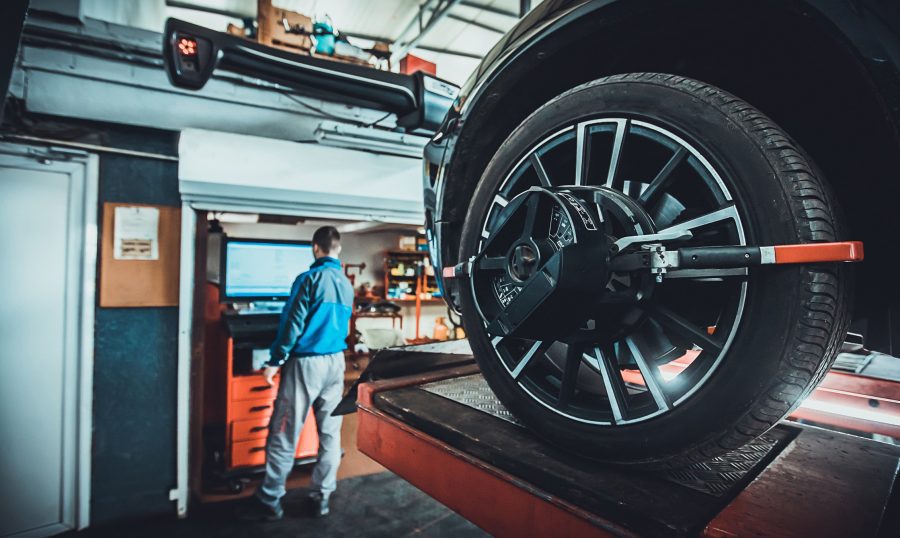
“Wheel aligners” are high-tech tools that measure and change the angles of a car’s wheels—specifically, camber, caster, and toe—so that they are in line with what the manufacturer says they should be. These tools use cutting-edge technology, such as sensors, lasers, or cameras that may be attached to the wheels or the alignment platform. The information that the wheel aligners collect is sent to a computer in real time, which shows exact angles and points out any adjustments that need to be made. Today’s wheel aligners give digital input with amazing accuracy, which lets you make precise repairs in a fraction of the time that basic mechanical gauges of the past did.
The Process of Alignment
A standard wheel alignment method starts with a close look of the steering and suspension parts of the car. Before the alignment starts, any worn or broken parts are fixed or replaced. This is because even the best wheel aligners can’t fix mechanical problems. When the automobile is ready, it goes on a lift or alignment rack, and specific clamps or sensors are put on each wheel. These talk to the computer in the wheel aligners to find out where all four wheels are and how they are facing.
Wheel aligners measure and change the following important angles:
Camber is the angle at which the tires lean in or out when you look at the front of the automobile. This changes how the car handles corners and how long the tires last.
Caster is the angle of the steering axis when you look at it from the side of the automobile. It affects how stable the car is and how well it responds to steering.
Toe is how much the tires point in or out when you look at them from above. If it’s wrong, it might create scrubbing or too much edge wear.
Technicians utilise wheel aligners to make changes based on the data they have obtained. They generally take measurements again after each modification until the numbers are within the manufacturer’s guidelines.
Advantages of Correct Wheel Alignment
The most important thing about wheel aligners is that they are quite accurate. Small changes in alignment may have a big impact on the life of your tires. When the wheels aren’t aligned properly, they wear out quickly and unevenly, which means you have to replace them sooner than you would want. These expensive problems may be avoided by employing correct wheel aligners, and drivers should expect their tires to last longer.
Wheel aligners help make sure that the vehicle handles in a safe and predictable way by making sure that the wheels are properly aligned. Cars that aren’t aligned properly might pull to one side, need the driver to keep making adjustments, or feel unstable while they’re going fast. Wheel aligners find and fix any problems so that the driver’s input seamlessly translates into movement on the road.
Better gas mileage is another benefit. When the wheels are out of alignment, they generate higher rolling resistance, which makes the engine work harder and use more gas. Wheel aligners let technicians find these problems early and fix them so that the wheels work at their best.
Keeping the suspension and steering safe
Wheel aligners are very important for keeping not only the tires safe, but also the whole suspension and steering system of a car. When wheels aren’t lined up properly, ball joints, tie rods, shocks, and struts have to work harder. This speeds up wear and tear over time, which can lead to costly repairs. Reliable wheel aligners keep these important systems safe by measuring and adjusting them exactly. They also make rides smoother and quieter.
Important for New and High-Tech Cars
Cars and trucks now are more complicated than ever, with innovative driving aids and delicate suspension systems. Wheel aligners have changed to meet these needs. They now contain sensors that can be adjusted and comprehensive digital readouts that work with a wide range of vehicle makes and models. High-quality wheel aligners make sure that alignment is not only feasible, but also done to the highest standard for automobiles with active suspension, all-wheel steering, or run-flat tires.
Wheel aligners are useful for many kinds of cars, including high-end ones with big or low-profile tires. The appropriate alignment settings keep the road feel accurate and help keep tires from becoming damaged. As automobile engineering gets better, wheel aligners become an important tool not just for maintenance but also to make sure that modern equipment works as it should.
The Benefits of Four-Wheel Alignment
In the past, certain techniques only adjusted the front wheels. Now, wheel aligners may align all four wheels at once. This indicates that the angles of all the wheels, both front and back, are just right. This shows how all the pieces of a contemporary car work together to make it stable and operate well. Four-wheel alignment is very crucial for all-wheel drive vehicles and models with independent rear suspension, which might develop their own alignment problems over time. This is because it is done using precise wheel aligners.
Laser and camera technology in wheel aligners
The change from wheel aligners that just used mechanical parts to ones that use lasers and cameras has been huge. Laser wheel aligners employ beams of light to measure angles very accurately, while camera-based systems keep track of where each wheel is in relation to targets or markers. Both systems provide real-time data to the computer in the alignment system. This cuts down on guessing and makes it easy to see what’s going on. This not only makes things more accurate, but it also speeds up the process for garages and workshops, allowing them to do more alignments in a day.
Routine Maintenance and Preventive Care
Regularly using wheel aligners is one of the finest ways for ordinary drivers to keep their cars in good shape. Potholes, curbs, and heavy loads may all knock wheels out of alignment, and the driver may not notice until the tires start to wear or the car starts to move strangely. After these kinds of things happen, or as part of a regular service, you should schedule an alignment check using wheel aligners. This way, any alterations will be noticed before they turn into costly problems.
Motorsport and performance uses
Wheel aligners are very useful for racing and other high-performance uses. Professional racing teams employ accurate wheel aligners to change toe, camber, and caster on each track to provide the best grip and responsiveness from their cars. Wheel aligners are what make the difference between winning and losing in autocross, drifting, and other precision driving disciplines. They make sure that the tires hit the road at the right angles for each style and situation.
End
Wheel aligners are a link between precision engineering and comfort while driving. Their importance in making tires last longer, safeguarding parts of the car, keeping it safe, and even lowering running costs cannot be stressed enough. Regular use of expert wheel aligners makes every trip safer, more efficient, and more fun, whether it’s for a family car, a fleet of commercial cars, or a high-performance sports car. Wheel aligners are still an important part of appropriate, professional vehicle care in a time when safety and value are both very important to drivers.