

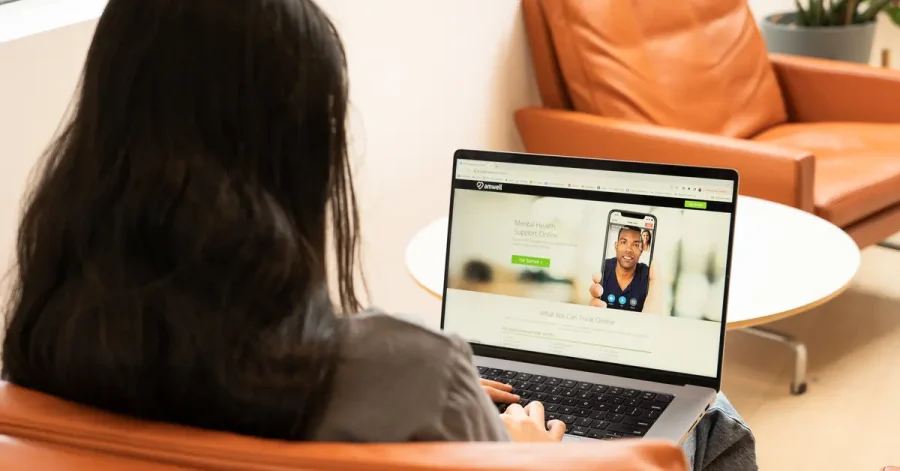
In the current fast-paced environment, the importance of prioritising mental wellbeing has reached unprecedented levels. Traditional face-to-face therapy continues to hold significant value; however, the emergence of online therapy has transformed access to mental healthcare. This shift presents numerous advantages that are changing the landscape of psychological health management. Online therapy, often referred to as telehealth therapy or e-therapy, allows individuals to engage with qualified therapists via digital platforms. This approach presents a flexible and convenient alternative to traditional in-person sessions.
One of the most notable benefits of online therapy is its unmatched accessibility. Geographical barriers that frequently hinder individuals in remote locations or those with limited mobility from accessing conventional therapy are effectively removed. Online therapy allows individuals to engage with therapists from any location, creating new opportunities for those who have faced challenges in accessing suitable support. The enhanced accessibility proves to be especially advantageous for individuals residing in rural areas or those with disabilities, who often encounter difficulties in reaching appointments. Online therapy expands access to mental healthcare, making support available to a broader audience.
Additionally, online therapy provides a degree of flexibility that traditional therapy frequently finds challenging to achieve. With busy schedules, work commitments, and family responsibilities, many individuals find it increasingly difficult to attend regular in-person appointments. Online therapy provides individuals with the flexibility to arrange sessions at times that align with their personal schedules, whether it be early in the morning, late in the evening, or during a lunch break. This adaptability allows individuals to focus on their mental health while maintaining their everyday activities. Accessing therapy from the comfort of home or any location with internet connectivity significantly cuts down on travel time and costs. This makes online therapy a more practical and sustainable choice for numerous individuals.
Online therapy offers advantages that go beyond just flexible scheduling. The idea of stepping into a conventional therapy environment can be intimidating for numerous individuals. Online therapy provides individuals with enhanced privacy and comfort, enabling them to connect with their therapist from a familiar and secure setting. This approach may offer significant advantages for individuals dealing with social anxiety or those who prefer to communicate in a more relaxed environment. The anonymity provided by online platforms may lead individuals to express themselves more freely and candidly with their therapists. This openness can strengthen the therapeutic relationship and enhance the effectiveness of treatment.
One of the significant benefits of online therapy is its cost-effectiveness. The costs of traditional therapy can be significant, with expenses such as travel and parking contributing to the overall financial burden. Online therapy frequently presents more competitive pricing structures, rendering it a more accessible choice for individuals with budget constraints. The reduction in travel expenses and the time saved enhance the overall affordability of online therapy, positioning it as a financially viable option for a broader spectrum of individuals.
In addition to these practical advantages, online therapy presents distinct therapeutic benefits. Online therapy’s digital framework facilitates innovative treatment methods, incorporating interactive exercises, accessible online resources, and secure messaging platforms that enable continuous communication between sessions. The use of these tools has the potential to improve the therapeutic process, offering individuals supplementary support beyond their scheduled appointments. Accessing therapeutic materials and engaging in asynchronous communication with therapists can enable individuals to assume a more proactive role in managing their mental health.
Online therapy presents a range of benefits; however, it is crucial to recognise that it may not be the right fit for every individual. Individuals facing severe mental health crises or in need of intensive in-person care may find greater advantages in traditional therapy environments. Careful consideration of individual needs and preferences is essential when determining if online therapy is the appropriate option. Seeking guidance from a healthcare professional or exploring credible online therapy providers can empower individuals to make well-informed choices regarding their treatment options.
The ongoing evolution and enhancement of online therapy platforms are solidifying their status as a credible and growing alternative to conventional therapy methods. Recent advancements in technology are significantly enhancing the quality of online interactions. These improvements are evident in the upgraded video and audio quality, as well as in the measures taken to ensure secure and confidential communication. The recent advancements are enhancing the online therapy experience, effectively narrowing the divide between virtual and in-person interactions.
Online therapy represents a pivotal advancement in the landscape of mental healthcare, transcending the notion of a fleeting trend. Online therapy is transforming the landscape of mental health care by dismantling geographical barriers, delivering unmatched flexibility, and presenting a comfortable and economical alternative to conventional therapy. This innovative approach is enabling individuals to place greater emphasis on their mental wellbeing than ever before. The advancement of technology and the evolution of online therapy platforms present significant opportunities for transforming mental healthcare and enhancing access to essential support services. Online therapy marks a notable advancement in the pursuit of a future focused on mental wellbeing.