

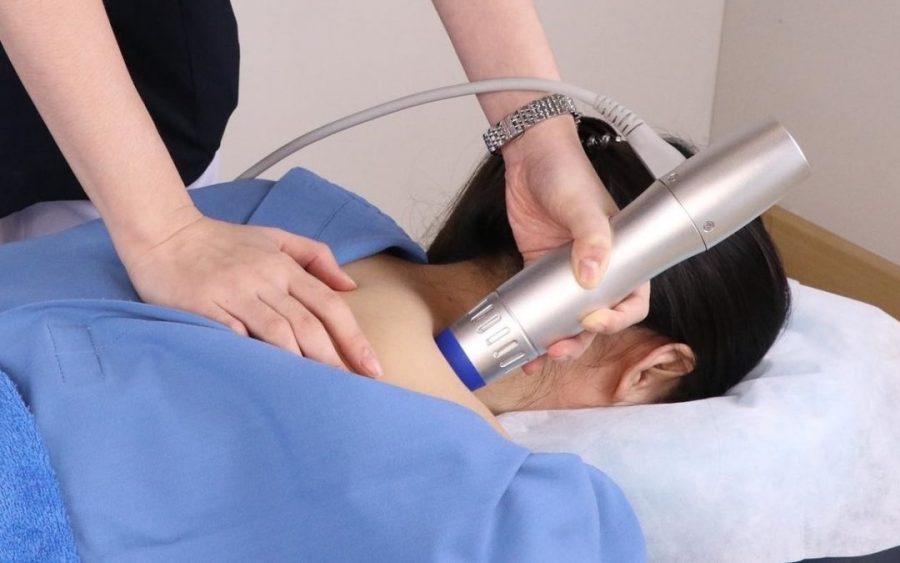
Millions of people with chronic musculoskeletal disorders now have hope thanks to shockwave therapy, a cutting-edge therapeutic option in the field of pain management. Instead of relying on pharmacological interventions or intrusive surgical procedures, this non-invasive method of pain management uses acoustic waves to boost the body’s natural healing processes.
A major step forward in medical science, shockwave therapy—also called extracorporeal shock wave therapy—was initially created to treat kidney stones. But its uses have grown substantially in the last several decades as doctors have begun to see its promise in alleviating a broad variety of painful disorders affecting bones, tendons, ligaments, and muscles. The treatment makes use of high-energy sound waves that travel through the bloodstream to specific areas of the body, where they induce physiological reactions that hasten recovery and alleviate discomfort.
The capacity of shockwave therapy to increase blood circulation and boost cellular metabolism is the scientific basis of this treatment. Acoustic waves, ironically, trigger the body’s inherent healing processes when they permeate tissues, causing tiny harm. Mechanotransduction is the process by which mechanical energy is transformed into biological responses that has the potential to speed up the healing and regeneration of tissues. Neovascularisation, or the development of new blood vessels, is promoted by the regulated stress used in shockwave therapy, which enhances the transport of oxygen and nutrients to injured tissues.
via interfering with the channels via which nerves transmit signals, shockwave therapy has been shown to successfully relieve pain. Based on the gate control hypothesis of pain, which states that non-painful stimuli can limit pain perception, the acoustic waves seem to change the transmission of pain signals to the brain. Furthermore, research has demonstrated that shockwave therapy can promote the formation of collagen and other proteins necessary for tissue healing while simultaneously breaking down scar tissue and calcium deposits, both of which can contribute to chronic pain issues.
Orthopaedics is one of the medical fields that stands to gain the most from shockwave therapy because to its adaptability. Many types of tendinopathy, including plantar fasciitis, tennis elbow, golfer’s elbow, calcific tendinitis, and others, have demonstrated significant improvement after undergoing shockwave therapy. When other therapies for chronic heel pain have not worked, this method has helped many patients immensely. Athletes can avoid lengthy periods of downtime due to the therapy’s success in treating shoulder impingement syndrome, jumper’s knee, and other similar sports-related injuries.
In addition to its use in orthopaedics, shockwave therapy has shown promise in alleviating some forms of debilitating chronic pain. Myofascial pain syndrome, which can cause severe discomfort and functional difficulties, has been successfully treated by certain practitioners utilising shockwave therapy to target specific muscle trigger points. Patients suffering from chronic pain for whom conventional therapies have failed will find this therapy very helpful due to its capacity to increase circulation and decrease inflammation.
The majority of patients undergoing shockwave therapy do so after a regimen of appointments with trained medical personnel. In each session, a handheld device is utilised to deliver focused pulses to the affected area after applying a gel to the skin to promote the transmission of acoustic waves. While it is possible to feel some discomfort during treatment, the majority of people report that it is acceptable. Most therapy programs include three to five sessions spaced one to two weeks apart, though this might vary from condition to condition and patient to patient.
In contrast to invasive surgical procedures or long-term pharmaceutical therapies, shockwave therapy has few, if any, negative side effects. Although some patients may feel slight swelling or pain in the treated area for a few days, the majority of patients are able to resume their regular activities right after treatment. Patients who aren’t good surgical candidates or who want to avoid the hazards of invasive treatments may find shockwave therapy appealing because of how seldom serious problems arise.
Multiple clinical trials and research studies have confirmed that shockwave therapy is effective. The percentage of patients who experience a considerable improvement in their pain levels and functional outcomes is reported by numerous research. However, the exact success rate varies from condition to condition. Studies have shown success rates of 70–80% for plantar fasciitis treatments, with many patients reporting continued improvement even months after their last session. Patients suffering with tennis elbow, or lateral epicondylitis, have also reported significant reductions in discomfort and improvements in grip strength after undergoing shockwave therapy.
Not every patient or condition can benefit from shockwave therapy, despite its demonstrated effectiveness. If you are pregnant, have a malignant tumour in the treatment region, have a bleeding disease, or have certain cardiac abnormalities, you should not have this procedure. Furthermore, individuals with infections in the treatment region or those using anticoagulant drugs may not be suitable candidates for the therapy. When deciding if shockwave therapy is the right course of treatment for a patient, doctors must take their medical history and present symptoms into account.
Ongoing research is investigating novel uses for shockwave therapy and ways to improve current protocols, so the field seems to have a bright future. Pulse frequency, energy levels, and treatment intervals are some of the characteristics that scientists are studying to find the best possible values for. Researchers are also looking at the possibility of synergistic effects in combination therapies that use shockwave therapy with other treatment modalities to see if it can improve overall outcomes for patients with complicated pain issues.
Healthcare systems across the globe are facing the twin crises of opioids and chronic pain, but shockwave therapy is a promising new approach that can alleviate many patients’ symptoms without resorting to pharmaceuticals. In particular, the therapy is useful for long-term pain management plans since it targets pathophysiological processes rather than just symptoms.
Finally, shockwave therapy is a game-changer in pain management because it uses state-of-the-art technology in conjunction with evidence-based medicine to alleviate a wide range of chronic pain issues. Healthcare practitioners and patients alike are increasingly drawn to its non-invasive nature, few side effects, and proven performance. Shockwave therapy is poised to play an increasingly important role in complete pain management programs as research continues to deepen our understanding of this therapeutic modality, providing hope to people who have had little luck with traditional treatments.