
The construction and management of modern buildings represent a sophisticated triumph of engineering, architecture, and safety design. Across commercial complexes, residential towers, educational institutions, and healthcare facilities, creating spaces that inspire and protect human life is paramount. While active safety mechanisms such as sprinkler networks and audible alarms play a well-known role during emergencies, the quiet, structural backbone of building resilience lies within compartmentalisation and containment. Specialist passive fire protection contractors serve as the indispensable guardians of this structural integrity, applying specialised knowledge, high-grade materials, and precise installation techniques to ensure that modern properties remain safe, compliant, and robustly defended against unforeseen hazards.
Understanding the discipline of containment requires an appreciation of how buildings function during a thermal crisis. Rather than waiting for a detection system to trigger water or chemical suppression, built-in containment measures work silently around the clock from the moment a structure is erected. These integrated measures are designed to restrict the passage of heat, toxic smoke, and flames from one defined compartment to another. By restricting the spread of a fire to its point of origin, these systems preserve escape routes, grant occupants precious time to evacuate calmly, and provide emergency responders with safe operational corridors. The expertise required to design, install, inspect, and certify these complex installations makes the involvement of qualified contractors one of the most reassuring investments a property developer or facility manager can make.
The Foundation of Structural Compartmentation and Safety
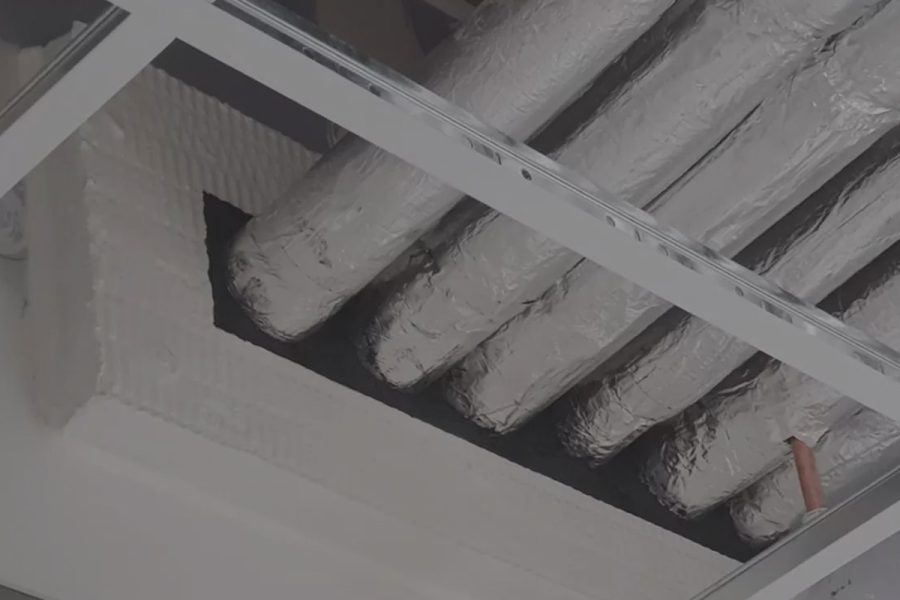
At the core of any comprehensive fire engineering strategy is the principle of effective compartmentation. Buildings are intentionally divided into manageable cells or zones using fire-resisting walls, floors, and ceilings. However, a modern building is an active, breathing organism filled with essential service penetrations, including electrical cables, plumbing conduits, ventilation ductwork, and structural expansion joints. Whenever these utilities breach a fire-rated partition, they create potential pathways through which smoke and intense heat can travel rapidly. This is precisely where the specialised skills of passive fire protection contractors become absolutely vital to the long-term safety of the building.
Skilled installation teams assess every single breach within a structural partition to determine the precise combination of materials required to restore its original fire-resistance rating. This process, commonly known as firestopping or penetration sealing, utilizes advanced intumescent sealants, ablative coated batts, high-density mortars, and custom-engineered pipe collars. When exposed to elevated temperatures, intumescent compounds undergo an extraordinary transformation, expanding exponentially to create a dense, insulating char that completely chokes off voids left by melting plastic pipes or burning cable insulation. The precision with which these materials are fitted determines their real-world performance, highlighting why property owners place immense trust in dedicated specialists who understand the subtle physical behaviours of certified sealing systems.
Beyond service breaches, structural steelwork requires specialized protective treatments to prevent catastrophic structural collapse during a sustained blaze. While steel is renowned for its immense load-bearing capacity, it rapidly loses structural strength when exposed to extreme temperatures. To safeguard the skeleton of a development, contractors apply reactive intumescent coatings, vermiculite sprays, or rigid encasement boards directly onto beams and columns. These sleek coatings preserve the clean aesthetic lines desired by contemporary architects while providing life-saving insulation that maintains structural stability for designated periods of up to several hours.
Navigating Regulatory Frameworks and Certified Excellence
The regulatory landscape governing structural safety and building standards is rightfully demanding, requiring complete transparency, rigorous testing, and comprehensive documentation at every phase of construction. Navigating these stringent standards is a complex undertaking for general builders, making the appointment of dedicated passive fire protection contractors an essential step in achieving seamless compliance. Professional specialists possess an exhaustive understanding of national building regulations, technical guidance documents, and harmonised testing standards, ensuring that every installation meets or exceeds mandatory legal requirements.
Third-party certification forms the gold standard within the containment sector. Reputable installation teams operate under accredited certification schemes that independently audit their technical knowledge, workplace practices, and on-site quality control procedures. When a client hires an accredited contractor, they receive an authoritative assurance that the installers have undergone rigorous vocational training and that the products used have been tested as complete, harmonious systems rather than piecemeal components. This level of professional validation delivers tremendous peace of mind to architects, principal contractors, insurance underwriters, and local authorities alike.
Furthermore, the modern regulatory environment places enormous emphasis on maintaining a clear, immutable record of safety information throughout a building’s lifecycle. Professional contractors utilize advanced digital management tools to map, tag, and document every individual firestop and structural application across a site. Each penetration seal is assigned a unique identifier linked to high-resolution photographs, material specifications, date stamps, and installer credentials. This detailed digital record creates an invaluable asset for building owners, simplifying future safety audits and ensuring that subsequent refurbishment work does not compromise established safety barriers.
The Vital Discipline of Inspection, Maintenance, and Remediation
Building safety is never a static achievement; it is an ongoing commitment that evolves alongside the life of a property. Over years of operational use, commercial buildings undergo constant adaptations, including IT infrastructure upgrades, plumbing adjustments, partition alterations, and general tenant improvements. Unfortunately, well-meaning maintenance staff or utility tradespeople can inadvertently damage fire-resisting barriers by drilling new holes through walls without properly resealing the voids. Engaging experienced passive fire protection contractors for scheduled inspections ensures that these hidden vulnerabilities are identified and rectified before they can pose any risk.
Comprehensive structural audits involve meticulous surveys of roof voids, riser shafts, suspended ceiling cavities, and plant rooms. Using specialized equipment and systematic methodologies, surveyors assess the physical condition of existing fire doors, inspect damper assemblies within ventilation ducts, and verify the integrity of historical firestopping works. Where defects or non-compliant installations are identified, remediation teams apply modern, certified solutions to restore the integrity of the compartment. This proactive maintenance approach extends the operational lifespan of a facility, protects asset value, and fosters a secure, welcoming environment for everyday occupants.
Fire door sets represent another critical element requiring expert attention. As moving, mechanical components subjected to daily wear and tear, fire doors must maintain precise perimeter gaps, functional intumescent strips, smoke seals, and reliable self-closing devices to perform effectively. Qualified installation specialists ensure that doors are hung correctly within compatible frames, using certified architectural ironmongery to maintain an impenetrable barrier against smoke and toxic gases. Their meticulous attention to detail ensures that these vital exit routes remain safe, visible, and functional during an emergency evacuation.
Fostering Collaboration Across Modern Construction Programmes
The modern construction sector thrives on effective collaboration, where diverse trades and technical disciplines align to deliver ambitious architectural visions on time and within budget. In this dynamic environment, passive fire protection contractors act as essential collaborative partners, integrating their work smoothly into early design stages and daily site schedules. By consulting with structural engineers, services coordinators, and architects early in the design process, specialist contractors help prevent costly design clashes, reduce unnecessary material waste, and optimize the overall layout of service runs.
This collaborative mindset extends to site operations, where proactive planning prevents delays. By coordinating directly with mechanical, electrical, and drylining teams, containment specialists can seal penetrations progressively as services are installed, rather than attempting complex retrofits in tight, inaccessible ceiling voids later in the programme. This synchronized workflow accelerates project handovers, minimizes trade disruption, and guarantees that the finished development achieves full certification without stressful last-minute rectifications.
Ultimately, the dedication, craftsmanship, and technical knowledge delivered by these safety specialists create a powerful legacy of resilience. Their contributions remain largely unseen beneath sleek plasterboard, behind suspended ceiling grids, and within service shafts, yet their silent presence transforms buildings into secure havens. By investing in professional installation and continuous maintenance, property developers, business leaders, and communities can look to the future with absolute optimism, confident that their built environment is shielded by the finest standards of modern safety engineering.
Get in Touch:
NuColour London Sprayers – Cladding & Warehouse Roof Painting
3rd Floor, 86 – 90 Paul St, London EC2A 4NE
0330 133 3420
londonsprayers.co.uk