
In today’s extremely competitive industry, businesses are continuously looking for innovative ways to boost visibility and reach their target customers. Car graphics are a cost-effective advertising strategy that transforms automobiles into mobile billboards. Car graphics can draw attention on busy city streets, highways, and suburban roads with the correct design and location, maintaining brand presence wherever a vehicle drives.
Car graphics transform the external surfaces of cars, vans, and lorries into custom-branded areas. These designs can span entire panels and include logos, slogans, contact information, and imagery that capture the soul of a company at a look. Unlike static signs, car graphics follow the vehicle, exposing the brand to a larger and more diverse audience. Car graphics are popular among service-based businesses like painters, tradespeople, and delivery companies because of their mobility.
One of the most obvious benefits of car graphics is their capacity to create passive advertising. Car graphics, once applied, continue to promote a business as the vehicle is driven to job sites, picked up from the street, or parked in public spaces. Because of this ongoing exposure, the same message can be seen by the same potential customers on multiple occasions, assisting in the development of recognition and trust. In many circumstances, car graphics represent a customer’s initial interaction with a brand, particularly when the vehicle is utilised for local services.
Car graphics are also quite visible, especially in heavy traffic. During rush hour, thousands of commuters share the road, providing a captive audience for well-designed graphics. A clean, professional layout with a clear logo and readable contact information can stand out against the visual chaos of urban areas. Because car graphics are placed directly to the bodywork, they are less likely to be overlooked than flyers or digital advertisements, which can be scrolled over or ignored. This makes car graphics especially successful in metropolitan settings where traditional advertising space is scarce and costly.
In addition to visibility, car graphics enable brands to establish a strong and consistent visual identity. When a firm invests in a professional design, the same typeface, colours, and pictures can be used throughout a whole fleet of vehicles, promoting the brand wherever it goes. This consistency allows customers to equate the appearance of the car graphics with the quality and dependability of the service they offer. Seeing the same car graphics on a frequent basis can build familiarity and increase the likelihood that potential customers will choose that firm over an unknown competition.
Car graphics are popular in current advertising since they are cost-effective. Compared to long-term print or digital advertising efforts, investing in high-quality vinyl wraps or partial car graphics might be affordable. Car graphics once placed often survive for several years with little maintenance, delivering a significant return on investment. Businesses that employ automobiles on a daily basis might use car graphics as a marketing tool instead of renting billboards or investing in expensive web campaigns.
Car graphics are highly versatile and can be customised to meet specific marketing objectives. For example, a corporation may utilise car graphics to promote a special deal, such as a seasonal discount or referral incentive, in addition to its standard branding. These time-limited messaging can build urgency and prompt immediate action from passers-by who notice the vehicle. Car graphics can also be used to promote a specific service line, such as emergency repairs or eco-friendly solutions, to differentiate the firm from competitors in the same industry.
Practically speaking, the value of car graphics is increased by their longevity. Car graphics can survive rain, wind, UV exposure, and road filth without fading or peeling quickly. They are made from high-quality vinyl and are often laminated for protection. This endurance ensures that branding remains bright and professional even after months or years of constant use. When combined with a larger marketing strategy, car graphics can serve as a stable backbone of ongoing awareness, supporting more transitory efforts such as social media promotions or local events.
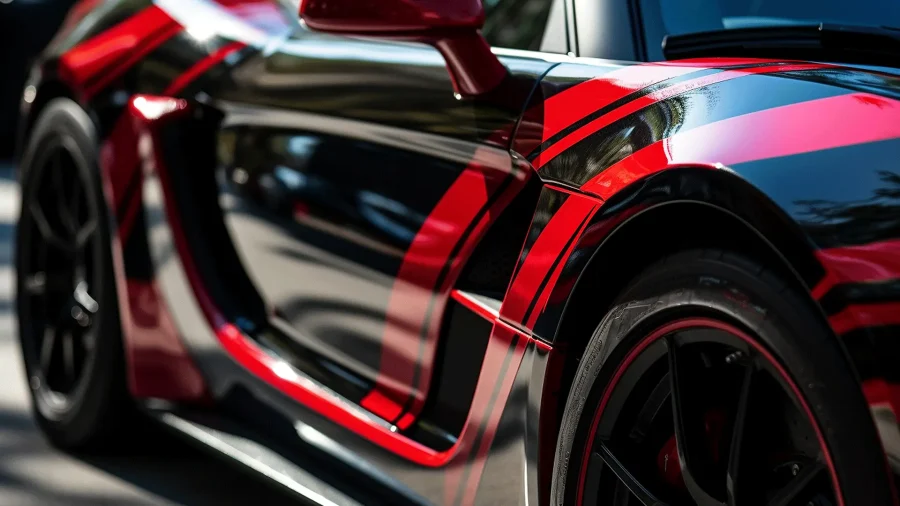
Modern printing and design techniques have also increased the quality and adaptability of car graphics. Digital printing advances have enabled the use of brilliant colours, elaborate patterns, and even photorealistic art on curved and complicated vehicle surfaces. This level of detail allows businesses to develop unique, eye-catching graphics that reflect their brand personality and stand out on the road. Whether they choose a full car wrap or a more modest partial graphic, businesses may still obtain a clean and current appearance that appeals to modern consumers.
Car graphics are very beneficial for localised advertising. Many service-based firms primarily serve a certain town, region, or postcode area. Vehicles clad in branded car graphics drive around these neighbourhoods, effectively delivering targeted advertising to the specific people a firm wishes to reach. Unlike national TV or radio ads, which distribute the expenditure across a large area, car graphics target exposure where it is most important, increasing the likelihood of generating enquiries from surrounding individuals and businesses.
In addition, car graphics can improve a company’s professionalism and credibility. When clients see a vehicle clearly branded with car graphics, they frequently consider the company as established, organised, and trustworthy. Maintaining clean visuals demonstrates a business’s pride in its appearance and, consequently, the quality of its work. This visual professionalism is especially crucial for craftsmen and service providers, who must acquire the trust of consumers who may invite them inside their homes or offices.
In the digital age, car graphics supplement rather than replace online marketing. Despite spending more time online, many people continue to see or pass branded vehicles on the road. When a customer sees a company’s car graphics and then looks for it online, their existing visual memory strengthens the brand and boosts the likelihood of conversion. This integration of physical and digital advertising demonstrates how car graphics may serve as a link between traditional and current marketing channels.
Another advantage of car graphics is their versatility to a variety of cars. Car graphics can be resized and adjusted to fit the size and shape of any vehicle, from little hatchbacks used by self-employed contractors to enormous vans and fleet cars used by larger businesses. This versatility enables businesses of all sizes to benefit from mobile advertising, whether they operate a single vehicle or a huge fleet. Even company cars used by employees can have discreet car graphics that promote the brand while they drive.
The quality of car graphics influences customer perception as well. Poorly designed or peeling vinyl might convey the opposite message, making a firm appear unprofessional or disorganised. Sharp, well-aligned car graphics that coincide with the company’s identity can create a lasting positive impression. As a result, many firms choose to engage with expert designers and installers who can guarantee that the graphics are properly put and look consistent with the brand’s other products.
In modern advertising, determining the influence of car graphics might be difficult, but not impossible. Businesses might use indirect indications, like as customer feedback, referral sources, and campaign-specific contact details, to determine how many individuals view a branded vehicle on a daily basis. For example, placing a unique phone number or website page on the car graphics can assist in tracking conversions back to this channel. Consistent use of car graphics over time can significantly improve brand memory and customer acquisition rates.
Car graphics promote sustainable marketing techniques. They require no ongoing media expenditure once deployed, in contrast to paid search or social media ads, which cease to function as soon as the budget is depleted. This makes car graphics a viable choice for organisations looking to maintain awareness without always paying for ad space. When combined with proper vehicle care, car graphics can continue to promote a brand for years, increasing the environmental and economic worth of the initial investment.
Looking ahead, car graphics are expected to remain a significant component of modern advertising, particularly as cities get more crowded and competition for attention heats up. As design tools and materials develop, firms will have even more creative chances to use car graphics in new ways. Augmented reality, QR codes printed on images, and interactive aspects could increase engagement between cars and viewers by combining physical and digital experiences.
As a result of combining mobility, exposure, cost-effectiveness, and professionalism into a single marketing tool, car graphics have many different applications in modern advertising. They enable firms to transform ordinary vehicles into effective promotional assets that move across communities, increase brand recognition, and boost local marketing activities. Car graphics continue to demonstrate their usefulness as a component of a well-rounded advertising strategy by providing ongoing, real-world exposure that digital media alone cannot always provide.