

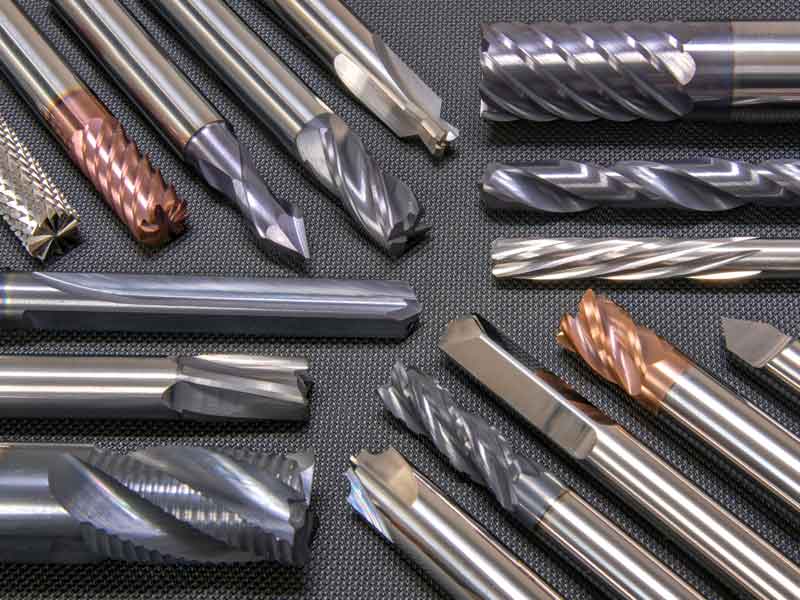
The quality and efficacy of production processes are significantly influenced by the selection of cutting tools in the field of metalworking and manufacturing. The carbide tool is a superior option among the multitude of tools available due to its remarkable strength, versatility, and longevity. This article explores the numerous benefits of utilising carbide tools for cutting applications, emphasising their substantial influence on productivity and precision in a variety of industries.
The primary component of a carbide tool is tungsten carbide, a compound that is composed of carbon and tungsten. Carbide tools are capable of effortlessly cutting through a diverse array of materials due to the exceptional hardness that this distinctive material provides. Durability is a substantial benefit of employing a carbide instrument. Carbide is capable of maintaining its cutting edge in the presence of intensive heat and friction, in contrast to high-speed steel (HSS) or other materials that are commonly used in cutting tools. This characteristic is essential in high-speed machining operations, as the premature deterioration of conventional tools can be caused by excessive heat. Manufacturers can anticipate reduced downtime and operational costs as a consequence of employing a carbide tool, which necessitates fewer tool adjustments.
Furthermore, carbide tools are capable of withstanding the rigours of cutting without succumbing to oxidation or other forms of degradation due to their chemical stability. This resilience results in a prolonged tool life, which is advantageous for organisations that prioritise operational efficiency. The longevity of carbide tools is not the only benefit of their durability; it also promotes consistent performance throughout its use. Manufacturers can operate with assurance, as their carbide tools will maintain their precision even after extended periods of intensive cutting.
An additional substantial benefit of employing a carbide tool is its extraordinary hardness, which is rated between 80 and 90 on the Mohs scale. This hardness allows carbide tools to penetrate materials that would render conventional cutting tools ineffective. A carbide tool is capable of performing a variety of operations with precision, regardless of whether the material is stainless steel, hardened alloys, or exotic. This adaptability enables shops to undertake a broader array of projects without the necessity of investing in multiple instruments, thereby facilitating increased flexibility in manufacturing processes.
Furthermore, carbide tools enable superior dimensional accuracy and surface finish. It is impossible to exaggerate the precision that a carbide tool provides, especially in industries where tolerances are so important. This capability leads to a decrease in the necessity for secondary operations, such as grinding or refining. In today’s sustainability-driven environment, the capacity to obtain a fine finish directly from the cutting tool is essential; it not only reduces labour costs but also minimises material waste.
When it comes to cutting speeds, carbide tools are capable of operating at greater velocities than traditional cutting tools without sacrificing performance. This attribute is a result of the capacity of carbide materials to effectively dissipate heat, which enables them to maintain cutting efficacy even during high-speed operations. Consequently, the overall productivity can be improved by accelerating manufacturing processes. In numerous instances, businesses that integrate carbide tools into their operations see a substantial increase in throughput, which enables the production of a greater number of products in a shorter amount of time.
Additionally, carbide tools are employed in a variety of applications, including woodworking, plastics, and composites, in addition to metal cutting. Carbide tools are indispensable in a wide range of environments, including precision craft industries and heavy manufacturing facilities, due to their adaptability. Their ability to cut a variety of materials renders them an essential component of the arsenal of contemporary manufacturers.
The economic advantages that are linked to carbide instruments are particularly noteworthy. Although carbide cutting tools may require a greater initial investment than conventional materials, the long-term savings that result from reduced tool replacement costs and reduced operational outages justify the expense. The increased longevity and efficacy of carbide tools frequently result in significant cost savings that accumulate over time. The carbide tool is a more economically viable option when businesses factor in wear rates and tool adjustments when calculating the total cost of ownership.
Carbide tools are engineered to minimise energy consumption during cutting operations, in addition to enhancing performance and reducing costs. Manufacturers can operate machinery at optimal levels without excessive energy expenditure due to their ability to maintain performance at high velocities and facilitate efficient cutting. This advantage is consistent with the increasing emphasis on operational efficiency and sustainable manufacturing practices, rendering carbide tools not only an environmentally responsible choice but also a wise choice from a performance standpoint.
Additionally, the development of carbide tools with specialised geometries that are specifically designed for particular cutting applications has been facilitated by advancements in manufacturing technology. This implies that manufacturers can choose carbide tools that are specifically designed for a specific application, thereby guaranteeing the best possible performance and outcomes. This type of customised solution fosters innovation in product design, enabling industries to achieve unparalleled levels of precision and quality in their outputs.
Additionally, the utilisation of carbide instruments is associated with enhanced worker safety. The risk of equipment failure and incidents caused by tool breakage or improper cuts can be reduced by high-performing tools that operate at their optimal level. Because carbide tools are engineered to endure challenging working conditions, they foster a safer work environment. This reliability not only safeguards the workers but also improves the overall efficacy of the production process by minimising interruptions caused by tool failure.
Furthermore, the expansion of the line of products with customised coatings and treatments has been facilitated by the improvements in carbide tool manufacturing processes. This coating has the potential to improve the performance of carbide tools by further reducing friction and enhancing wear resistance. Coatings can also contribute to the extension of the tool’s lifespan when cutting abrasive materials, thereby enabling manufacturers to preserve quality without compromising operational efficiency.
As we contemplate the future of manufacturing, the significance of carbide tools is further emphasised by the trend towards automation and precision engineering… The consistency and reliability of carbide tools provide manufacturers with a competitive advantage in a landscape where tolerances are tightening. Carbide tools are an essential asset in industries that are committed to excellence due to their ability to produce consistently high-quality parts in an efficient manner.
In summary, the benefits of utilising carbide instruments for cutting are numerous and multifaceted. Carbide tools have become indispensable in contemporary manufacturing and production environments due to their exceptional durability and hardness, as well as their capacity to produce superior surface textures while simultaneously reducing overall costs. They are not merely a tool selection; they are a strategic decision that is intended to improve the safety, productivity, and sustainability of machining processes. Carbide tools will undoubtedly remain at the forefront as manufacturers continue to pursue innovative solutions to meet the demands of a swiftly evolving market. This will enable businesses to achieve their operational objectives while maintaining high standards of quality and efficiency.
For those in the manufacturing industry, investing in carbide tools can be viewed as a commitment to sustainability, efficiency, and quality that will generate substantial returns in the future. Carbide tools will likely adapt and enhance their status as the preferred cutting tool across a variety of industries as the manufacturing sector continues to innovate and evolve.