

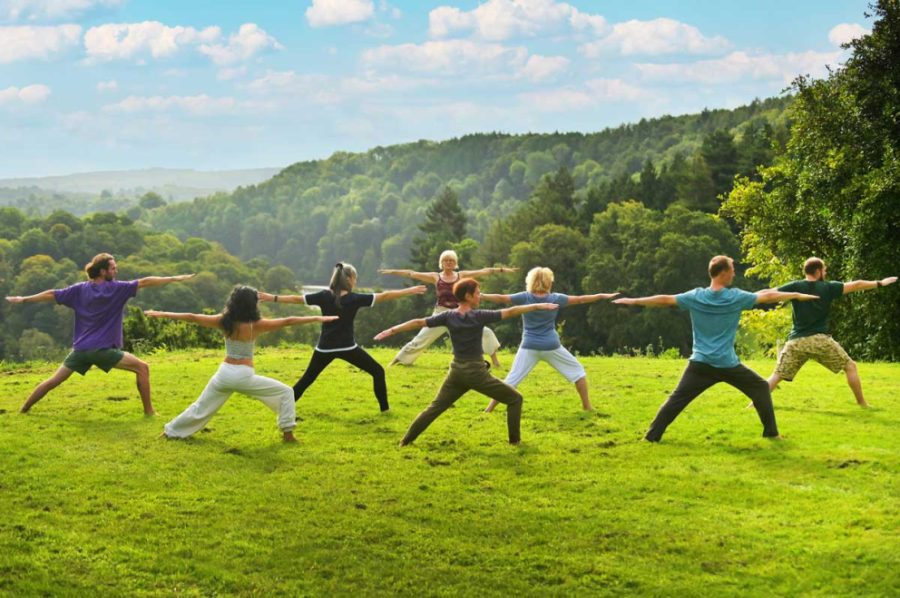
The phenomenon of UK yoga retreats has experienced remarkable growth in recent years, reflecting a broader cultural shift towards wellness tourism, mindful living, and the pursuit of authentic experiences that promote physical, mental, and spiritual wellbeing. This surge in popularity represents more than a simple travel trend, embodying a fundamental response to the stresses of modern life whilst offering participants accessible pathways to personal transformation without the complications and expenses associated with international travel. Understanding the factors driving this popularity reveals how UK yoga retreats have evolved from niche offerings into mainstream wellness experiences that attract diverse participants seeking meaningful breaks from daily routines and opportunities for deep personal renewal.
Accessibility and Convenience Factors
The accessibility offered by UK yoga retreats represents one of the most significant factors contributing to their widespread popularity, eliminating the logistical complexities, expense, and time commitments associated with international wellness travel. Participants can access high-quality retreat experiences within their own country, reducing travel stress whilst maintaining familiar legal frameworks, healthcare systems, and communication standards that provide comfort and security during transformative experiences.
Domestic travel convenience enables participants to attend retreats without extensive planning, visa requirements, or international travel preparations that can create barriers to participation. The ability to reach retreat locations via familiar transportation networks, without jet lag or cultural adjustment periods, allows participants to maximise their retreat experience whilst minimising preparation time and associated stress.
Flexible duration options available through UK yoga retreats accommodate diverse lifestyle requirements and commitment levels, with offerings ranging from weekend intensives to extended week-long programmes that suit different schedules and financial considerations. This flexibility enables broader participation across demographic groups whilst allowing individuals to gradually explore deeper retreat experiences as their practice develops.
Diverse Geographic Settings and Natural Beauty
The remarkable geographic diversity available within the UK provides retreat organisers with spectacular locations that rival international destinations whilst offering unique character and natural beauty that enhances the transformative potential of retreat experiences. From the rugged coastlines of Cornwall and Scotland to the pastoral beauty of the Cotswolds and Lake District, UK yoga retreats leverage the country’s diverse landscapes to create immersive environments that support contemplation, renewal, and connection with nature.
Coastal retreat locations provide the therapeutic benefits of maritime environments, including negative ion exposure, rhythmic wave sounds, and expansive horizon views that naturally induce relaxation whilst supporting mindfulness practices. These seaside settings offer opportunities for beach yoga sessions, cliff-top meditation, and therapeutic walks that integrate physical activity with spiritual practice in naturally healing environments.
Mountain and countryside retreat venues utilise the restorative qualities of rural environments, including clean air, natural quiet, and connection with seasonal cycles that support deeper engagement with yoga philosophy and practice. These settings provide respite from urban stresses whilst offering opportunities for hiking, outdoor meditation, and farm-to-table dining experiences that complement yoga practice with holistic lifestyle elements.
Cultural Heritage Integration and Authentic Experiences
UK yoga retreats increasingly incorporate elements of British cultural heritage, creating unique experiences that combine ancient yoga wisdom with local traditions, historical contexts, and cultural authenticity. This integration appeals to participants seeking meaningful connections between universal spiritual practices and specific cultural contexts that provide depth and resonance beyond simple physical exercise.
Historic venues including converted monasteries, manor houses, and heritage properties provide atmospheric settings that enhance the contemplative aspects of retreat experiences whilst offering participants connection with centuries of spiritual tradition and cultural continuity. These venues often feature architectural elements, gardens, and natural settings that have supported contemplative practices for generations.
Local cultural integration includes exploration of British spiritual traditions, historical sites, and regional customs that complement yoga practice whilst providing educational and cultural enrichment. This approach creates holistic experiences that satisfy both spiritual seeking and intellectual curiosity, appealing to participants who value learning and personal growth alongside physical wellness.
Professional Standards and Quality Assurance
The establishment of high professional standards within the UK yoga retreat industry has contributed significantly to growing popularity by ensuring quality experiences that meet participant expectations whilst maintaining safety standards and ethical practices. Professional retreat leaders typically hold recognised qualifications, maintain insurance coverage, and operate within established frameworks that provide assurance and accountability.
Qualified instruction standards ensure that retreat participants receive competent guidance from experienced teachers who understand both technical yoga instruction and group facilitation skills necessary for creating supportive learning environments. This professional expertise enables safe practice progression whilst accommodating diverse skill levels and physical capabilities within retreat settings.
Comprehensive support services including nutritious meal provision, comfortable accommodation standards, and additional wellness services create complete experiences that address all aspects of participant needs. This holistic approach demonstrates professionalism whilst ensuring that participants can focus entirely on their practice and personal development without concerns about basic comfort and safety requirements.
Community Building and Social Connection
The community aspect of UK yoga retreats provides significant appeal for participants seeking meaningful social connections built around shared values and interests in personal development, wellness, and spiritual growth. These retreats create opportunities for like-minded individuals to connect authentically whilst supporting each other’s growth and learning processes.
Group practice dynamics create powerful collective experiences that amplify individual benefits through shared energy, mutual support, and communal intention setting. Participants often report that group practice sessions feel more powerful and transformative than individual practice, creating motivation for continued engagement with yoga whilst building lasting friendships with fellow practitioners.
Supportive learning environments fostered within retreat settings enable participants to explore personal challenges, share experiences, and receive encouragement from both instructors and peers. This supportive community aspect provides emotional safety nets that enable deeper exploration and vulnerability whilst ensuring that participants feel held and supported throughout their retreat experience.
Holistic Wellness Integration and Lifestyle Education
Modern UK yoga retreats increasingly adopt holistic approaches that integrate yoga practice with complementary wellness modalities including meditation instruction, nutritional education, massage therapy, and lifestyle coaching. This comprehensive approach addresses multiple aspects of wellbeing whilst providing participants with practical tools and knowledge for maintaining benefits beyond the retreat experience.
Nutritional components of retreat experiences often emphasise whole foods, plant-based options, and mindful eating practices that complement yoga philosophy whilst providing education about sustainable nutrition choices. Many retreats include cooking workshops, garden tours, or discussions about food sourcing that extend learning beyond meal times into practical life skills.
Mindfulness and meditation instruction provides participants with mental training techniques that support yoga practice whilst offering practical applications for stress management, emotional regulation, and enhanced life satisfaction. These mental training components often prove as valuable as physical yoga instruction in creating lasting positive changes in participants’ lives.
Economic Accessibility and Value Proposition
The cost-effectiveness of UK yoga retreats compared to international alternatives makes transformative experiences accessible to broader demographic groups whilst providing excellent value for comprehensive wellness experiences. Domestic retreats eliminate international flight costs, complex travel insurance requirements, and currency exchange considerations that can significantly increase the total cost of retreat participation.
Transparent pricing structures enable participants to understand exactly what is included in retreat fees whilst avoiding hidden costs or unexpected expenses that might arise during international travel. This pricing clarity enables better financial planning whilst ensuring that retreat experiences remain accessible to individuals with modest budgets who prioritise wellness investment.
Payment flexibility options including instalment plans, early booking discounts, and sliding scale pricing make retreat participation possible for individuals who might otherwise be unable to afford concentrated wellness experiences. This inclusive approach aligns with yoga philosophy whilst expanding access to transformative experiences across diverse socioeconomic groups.
Post-Retreat Integration and Ongoing Support
Many UK yoga retreats provide follow-up support and integration resources that help participants maintain benefits and continue development beyond the retreat experience. This ongoing connection creates lasting value whilst building communities of practice that extend retreat benefits over extended periods.
Alumni networks and continuing education opportunities provide pathways for deepening practice and maintaining connections with retreat communities through regular classes, workshops, and reunion events. These ongoing relationships create support systems that encourage continued growth whilst providing accountability for maintaining positive changes initiated during retreat experiences.
Integration guidance helps participants translate retreat insights and practices into daily life routines through practical advice, structured programmes, and ongoing mentorship that bridges the gap between intensive retreat experiences and regular life demands. This support significantly enhances the lasting value of retreat participation whilst ensuring that transformative experiences create genuine life improvements.
Conclusion
The popularity of UK yoga retreats reflects their unique ability to provide accessible, high-quality transformative experiences that address contemporary needs for stress relief, personal growth, and authentic connection within familiar cultural and geographic contexts. The combination of convenience, natural beauty, professional standards, community building, holistic wellness approaches, economic accessibility, and ongoing support creates compelling value propositions that attract diverse participants seeking meaningful wellness experiences. As awareness of these benefits continues to grow and retreat offerings become increasingly sophisticated, UK yoga retreats are likely to maintain their popularity whilst continuing to evolve in response to changing participant needs and cultural trends that prioritise wellbeing and personal development.
Get in Touch:
Bliss Yoga – Retreats & Business Coaching
29 Stoneley Cl, Sheffield S12 3JG
07599 143274
blissyogaretreats.co.uk