
Spider veins, or microscopic, web-like veins that frequently occur on the legs and face, are a significant cosmetic problem for many people. Spider veins, while normally innocuous, can make people feel self-conscious and undermine their confidence. Fortunately, there are several treatment techniques available to efficiently remove spider veins and restore a cleaner, more uniform skin tone. This page explores the causes, symptoms, and treatment options for spider veins, allowing readers to make informed decisions regarding their vascular health.
Understanding the aetiology of spider veins is critical for successful therapy. These tiny, dilated blood vessels develop near the skin’s surface and are frequently produced by compromised valves in the veins. Spider veins can be caused by heredity, hormonal changes, lengthy periods of standing or sitting, obesity, and sun exposure. Identifying and resolving these underlying causes can help prevent the production of new spider veins and improve treatment results. Understanding the underlying causes of spider veins is the first step towards successful and long-term therapy.
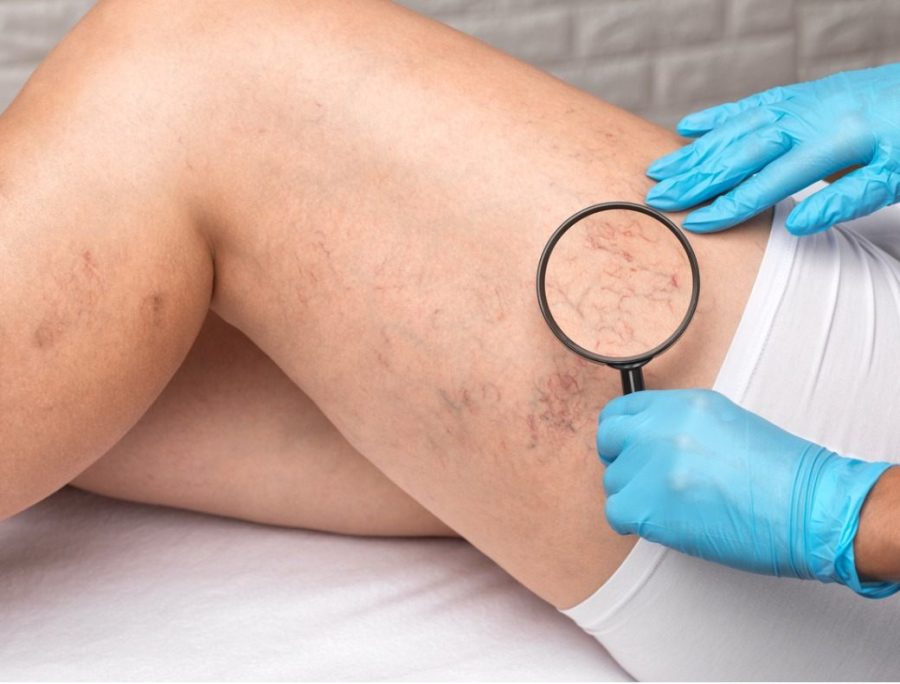
Spider veins frequently appear as thin red, blue, or purple lines that resemble spiderwebs or branches. They are mostly present on the legs, namely the thighs, calves, and ankles. Spider veins can sometimes occur on the face, particularly near the nose and cheekbones. While spider veins are often painless and innocuous, some people may suffer minor discomfort, such as hurting, burning, or itching in the afflicted locations. Recognising the look and symptoms of spider veins is critical for obtaining proper treatment.
Spider veins can be treated using a variety of methods, each with its own set of benefits and drawbacks. Sclerotherapy is a popular and efficient treatment for spider veins that involves injecting a solution directly into the problematic veins. This solution irritates the vein’s lining, causing it to collapse and finally disappear. Sclerotherapy is a minimally invasive technique with little downtime, making it a popular option for treating spider veins on the legs and face.
Laser therapy is another excellent treatment for spider veins. This method uses focused laser light to heat and seal the afflicted veins, causing them to eventually dissolve. Laser treatment is very successful in treating smaller spider veins and those on the face. The accuracy of laser therapy enables precise treatment with minimum influence on neighbouring tissues. The size, colour, and position of the spider veins may dictate the type of laser employed.
Intense pulsed light (IPL) therapy is a comparable treatment that targets spider veins with broad-spectrum light. IPL treatment is helpful for healing greater sections of spider veins and those of different colours. IPL treatment, like laser therapy, causes veins to collapse and disappear with time. The decision between laser therapy and IPL therapy is determined by the spider veins’ distinctive features as well as the patient’s individual circumstances.
Endovenous laser ablation (EVLA) is a minimally invasive method for treating bigger varicose veins, which can occasionally lead to the formation of spider veins. EVLA entails putting a tiny laser fibre into the afflicted vein and utilising laser energy to seal it shut. This technique can effectively reduce the appearance of both varicose and spider veins. EVLA is a more sophisticated therapeutic option for more severe instances of venous insufficiency.
Lifestyle changes can also help manage and prevent spider veins. Regular exercise, maintaining a healthy weight, avoiding extended standing or sitting, and using compression stockings can all assist improve circulation and lower the chance of developing new spider veins. These lifestyle modifications can also help to supplement and improve the efficacy of other treatments. Adopting a healthy lifestyle can improve long-term vascular health and reduce the occurrence of spider veins.
The size, position, and severity of spider veins, as well as unique patient preferences and medical history, all play a role in determining the best treatment option. Consultation with a certified vascular expert is required to determine the most appropriate and successful treatment approach. A complete examination by a medical practitioner is essential for personalised treatment suggestions and best results.
Certain precautions and preparations may be required before undergoing spider vein therapy. Common pre-treatment suggestions include avoiding sun exposure, quitting certain medicines, and wearing loose, comfortable clothes. Following the particular directions supplied by your healthcare practitioner is critical to ensuring a smooth and effective treatment process.
Post-treatment care is critical for improving treatment results and reducing complications. Some frequent post-treatment advice include avoiding vigorous activity, using cold compresses, and wearing compression stockings. Follow the particular aftercare recommendations provided by your healthcare professional to promote recovery and reduce the risk of problems.
The outcome of spider vein therapy may differ based on the individual and the treatment approach chosen. While most treatments significantly minimise the appearance of spider veins, total removal is not always attainable. Multiple therapy sessions may be necessary for best results. Patience and reasonable expectations are essential when receiving spider vein therapy.
In conclusion, spider veins are a frequent cosmetic problem that may be efficiently addressed by a variety of surgeries and lifestyle changes. Understanding the causes, symptoms, and treatment options for spider veins allows people to make more educated decisions regarding their vascular health. Consulting with a trained vascular expert is critical for personalised treatment suggestions and best results. Individuals who manage spider veins proactively might regain their confidence and attain cleaner, healthier-looking skin.