
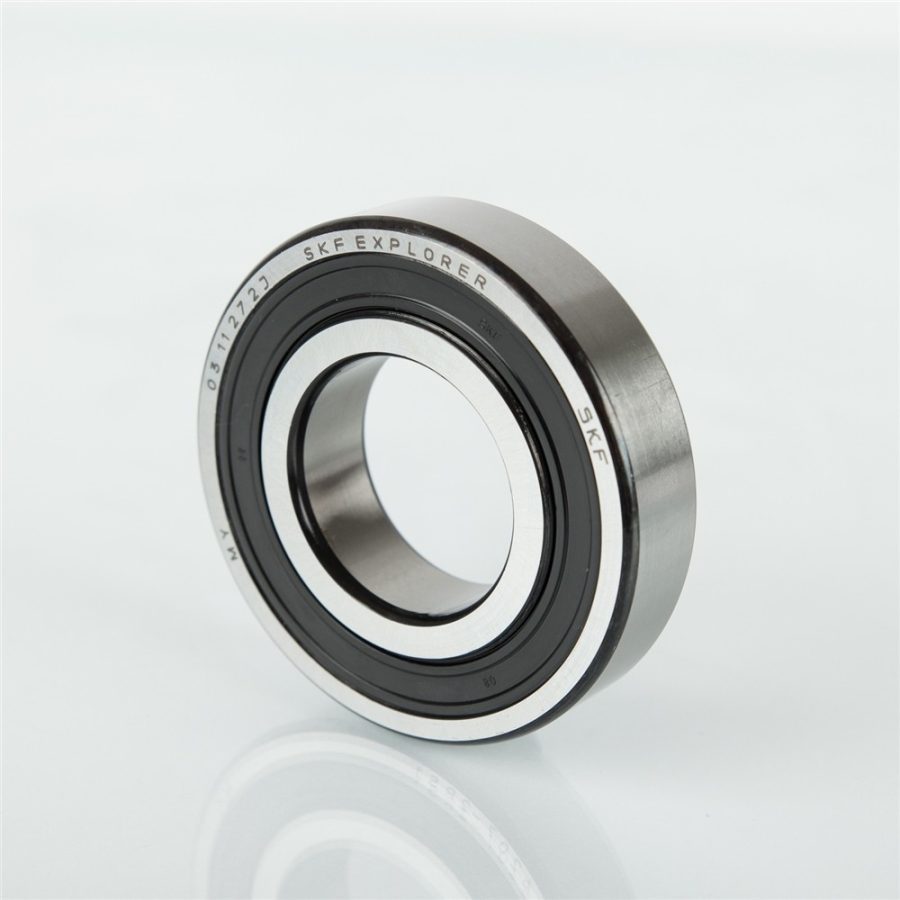
Every spinning machine, from a small lathe in a workshop to a big industrial conveyor system, depends on parts that don’t get enough attention. Some parts don’t get much attention, like bearings. They quietly work inside housings and shafts, taking on weight, lowering friction, and letting machines run for years without stopping. But when a bearing fails, it can lead to unplanned downtime, damaged shafts, products that can’t be used any more, and sometimes even safety risks for people working nearby. Because of this, getting the right bearing at the right time without spending too much has become a real competitive edge for repair teams. This is the main reason why a lot of engineers and purchasing managers now choose to buy bearings online instead of only at counters.
Why downtime for machinery really costs a lot
Prior to exploring how purchasing bearings online can help keep costs down, it is important to know why bearing failure costs so much in the first place. A old or broken bearing almost never fails by itself. When pressure and heat levels rise, wear can quickly spread to nearby parts like housings, seals, and shafts. A five-pound part can become a thousand-dollar repair bill if you don’t take care of it. When you add up the cost of lost production, late deliveries, and engineers working extra hours to get a line back up and running, you can see how much a single broken bearing really costs.
This is why planning ahead for maintenance is so important. It’s less likely that something terrible will go wrong if you know which bearings need to be replaced, keep a good stock of important parts, and can quickly find replacements. The fastest and least expensive way to do this is becoming more and more clear: buy bearings online, where you can see instantly the number of items in stock, specs, and prices.
The main reason more maintenance teams buy bearings online
In the past, getting a bearing meant calling a nearby source, waiting for a quote, and often giving up on price because there wasn’t time to look around. Some companies still use that method, but it rarely gives them the best value or the quickest turn-around. When you buy bearings online, you can quickly find a lot more options than a single local store could have. You aren’t limited to what’s on a nearby shelf; you can put deep groove ball bearings, tapered roller bearings, spherical roller bearings and specialist sealed units next to each other and compare them. Before you buy, you can check the exact sizes and load rates of each one.
Another big reason teams choose to buy bearings online is that the prices are clear. In traditional counter sales, trade prices are often negotiated and change based on the customer, the time of year, or how quickly the part is needed. Prices on online platforms are usually consistent, which makes it much easier to stick to a budget and see how much similar parts from different manufacturers cost. This kind of visibility is very helpful for a maintenance department that has to stick to a tight yearly budget.
A big part is also played by speed. Every hour counts when machinery stops. You can buy bearings online at any time, without having to wait for a supplier to open. This means that when a problem is found, replacement parts can be bought right away, instead of waiting until the next morning. It’s now possible to get goods from many suppliers the same day or the next. This can mean the difference between a short break in production and a full day lost.
Making sure the details are right the first time
If you’re under a lot of time pressure to buy replacement parts, you might order the wrong ones. From the outside, bearings may look the same, but small differences in the bore size, outside diameter, width, tolerance class, or sealing type can make a part useless for the job it was made for. Putting in the wrong bearing, even for a short time, can make a lot of noise, wear out quickly, or fail again within days.
When you buy bearings online, the thorough product information is very helpful in this case. Online stores with a good reputation usually offer full technical datasheets, cross-reference tools, and easy-to-understand part numbering systems that help engineers exactly match an existing part or choose a good equivalent. It is much less likely that an order will go wrong if you can look by size, load capacity, or original part number instead of having to rely on memory or an old bearing’s faded label. Many platforms also give information on the different kinds of seals, the right amount of lubrication, and the temperature ranges. This lets staff with less experience make choices without always having to talk to an expert.
Making a smarter plan for spare parts
Saving money on costs isn’t just about how much you pay per bearing. If you have a good spares plan and can buy bearings online whenever you need to, you can change how your maintenance budget is spent throughout the year. Many businesses no longer waste a lot of money on slow-moving stock that might never be used. Instead, they keep only a small amount of the most important, hard-to-find things in stock and rely on fast online ordering for everything else. This lowers the cost of storage, lowers the chance that stock will go out of date, and frees up working capital for other tasks.
Condition monitoring works well with this approach as well. Maintenance teams can often tell when a bearing will fail days or even weeks in advance by keeping track of temperature, pressure levels, and running hours. They don’t have to rush to find a replacement after a problem has already happened. Instead, they can plan ahead, compare their options, and buy bearings online at a reasonable price instead of having to pay more for an emergency order. One of the best ways to cut down on both downtime and long-term costs is to switch from reactive to predictive maintenance.
How to Avoid Common Mistakes
It’s clear that this is a good way to buy new parts, but be careful. There are different quality bearings for sale online, and picking one based only on price without checking the specifications, tolerances, or quality of the material can cause it to fail quickly and cost more in the long run. It’s worth the extra time to make sure that the bearing meets the right standard, that it is sealed or shielded, and that the load rate is right for the job. If you read thorough product descriptions and, if possible, technical drawings, you can escape unpleasant surprises when the part arrives.
You should also think about the lead times for sizes that aren’t used very often. Standard bearings can usually be sent out quickly, but larger or more specialised units may take longer to find, even from an online seller. If you plan ahead for known repair schedules instead of waiting until a bearing has already failed, you have more time to find the best price without having to pay extra for faster shipping.
Making it a regular part of maintenance
For the most part, this method works best for businesses that see it as part of a larger repair culture rather than a quick fix at the last minute. Engineers should regularly check stock levels, look over future maintenance schedules and buy bearings online before they break. This will help keep machinery running smoothly and prevent them from having to make hasty purchases. Getting to know a few reliable web stores, learning their return policies, and keeping track of which parts have worked well in the past can all help make maintenance go more smoothly and predictably.
To keep machines going well, you don’t have to spend a lot of money on replacement parts or wait a long time for deliveries. Because you can choose from a variety of options and it is easy and quick to buy bearings online, maintenance teams can respond more quickly to problems as they arise, make better purchasing choices, and keep costs low overall. These qualities of dependability and value are exactly what modern maintenance planning needs in a world where downtime costs a lot and profit margins are small.