

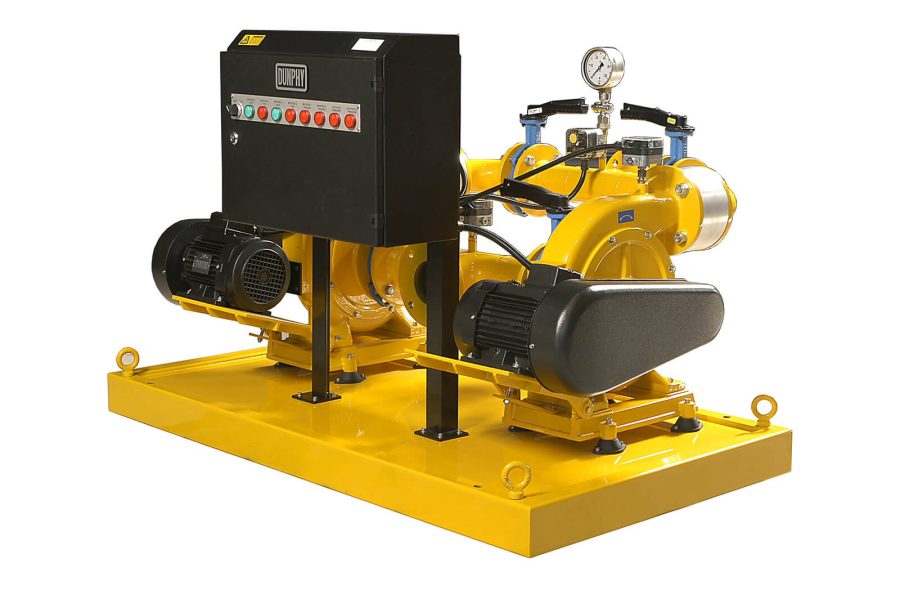
In today’s competitive business environment, it’s very important to reach the highest levels of efficiency and productivity. An important part of this goal, which is often ignored but very important, is the gas booster. These flexible devices are important for many uses, like increasing pressure in systems that move air and delivering the right amount of gas in complicated chemistry processes. This piece looks at the different uses of gas boosters in today’s industries, discussing why they are important and the types that are available.
Gas boosters are machines that increase the flow of gas. They connect the gas supply pressure to the pressure needed for a particular activity. This pressure increase happens in different ways, based on the type of gas booster used. It’s important to understand how different gas boosters work to choose the right one for your needs.
One popular type of gas booster is the reciprocating booster. These units utilise pistons within cylinders to compress the gas, providing a pulsating flow of high-pressure gas. Reciprocating gas boosters are known for their ability to achieve high pressure ratios and are often used in applications needing significant pressure boosts, such as charging gas cylinders or supplying high-pressure gas for testing purposes. Keeping regular lubrication is important for the smooth functioning of reciprocating gas boosters, and it’s crucial to think about the gas composition to avoid problems.
Another common type is the spinning gas booster. These units use a spinning part to move the gas faster and turn that speed into pressure. Centrifugal gas boosters are usually used when lower pressure is needed but more gas flow is required. They help increase gas pressure in pipes or improve how combustion systems work. They are usually smaller than gas boosters that use a rotating motion and need less upkeep. But they are not very good at reaching very high temperatures.
Rotary screw gas boosters are a third type that combines features of both the rotary and centrifugal gas booster. They use two screws that fit together to squeeze the gas, creating a steady flow of high-pressure gas. Rotary screw gas boosters are reliable and efficient, which makes them great for various industrial uses, such as recovering gas, using waste gas, and increasing natural gas pressure for distribution.
Across a wide range of industrial sectors, gas booster applications are surprisingly diverse. In the oil and gas business, gas boosters are important for checking pipeline safety, increasing pressure at wellheads and helping to get more oil out of the ground. They allow natural gas to be transported easily over long distances and make sure that offshore sites work safely. Modern gas booster systems provide important control for keeping tank pressure at the best level.
The chemical processing business often depends on gas boosters for different uses. They are used to provide reactants at the right pressure for chemical reactions, help move gas between different equipment, and increase the pressure of neutral gases for covering and cleaning processes. Choosing the right materials for gas booster parts is important in chemical processes to make sure they can handle corrosive or reactive gases.
In the pharmaceutical business, gas boosters are important for keeping materials sterile and protecting sensitive products. They provide clean gases for packaging, pressurise containers for sterilisation, and power devices that move powders and small particles. In order to preserve product quality and avoid contamination, gas boosters must be reliable and accurate.
In the food and drink business, gas boosters are also used to carbonate drinks, package food in special atmospheres and power pneumatic systems that move ingredients. In water treatment, gas boosters are used to provide ozone for cleaning water and to improve ventilation. Gas boosters are well-suited for these challenging settings thanks to their sturdy design and reliable operation.
Choosing the right gas booster for a specific use needs careful thought about a few important factors. The pressure ratio you want, the flow rate needed, the type of gas, and the working conditions are all very important. It’s important to talk to experienced gas booster sellers to make sure the unit you pick fits your needs.
Improvements in gas booster design and efficiency are being driven by advancements in technology. Modern gas boosters have advanced control systems that help carefully manage pressure and flow rate. This improves energy use and makes the process more efficient. Adding remote monitoring and diagnostic features makes gas booster systems more reliable and easier to manage.
In summary, gas boosters are essential parts used in many industrial uses. Their ability to increase pressure, boost efficiency, and ensure safe and reliable operations is essential for reaching the best output in different industries. As technology advances, gas blowers will become more important in the future of industries.