
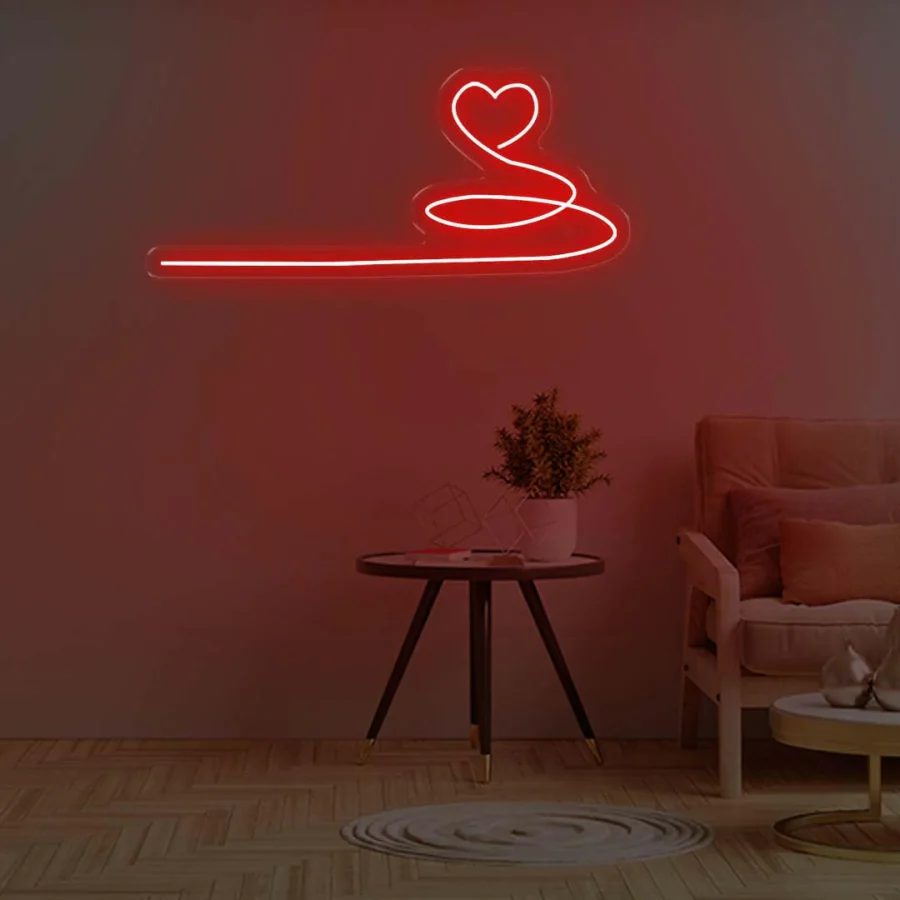
The art of creating custom illuminated signage has evolved dramatically from the traditional glass-tube neon signs of the past to today’s versatile LED neon alternatives that allow virtually anyone to design their own neon sign with remarkable ease and creativity. This transformation has democratised neon sign creation, making it accessible to homeowners, small business owners, artists, and entrepreneurs who want to add distinctive lighting elements to their spaces without the complexity and expense traditionally associated with custom neon fabrication.
Understanding the fundamental principles of effective neon sign design serves as the foundation for creating compelling visual statements that achieve their intended purpose, whether for personal expression, business promotion, or artistic display. When you design your own neon sign, the process begins with clarifying the sign’s primary function and the message you want to convey. This initial conceptualisation phase determines every subsequent design decision, from size and colour selection to font choices and mounting considerations that will influence the final impact of your custom creation.
The design process for custom made neon signs requires careful consideration of the intended viewing environment and audience, as these factors significantly influence design choices that determine visibility, readability, and aesthetic appeal. Indoor applications offer more controlled lighting conditions and viewing distances, allowing for more intricate designs and subtle colour variations, whilst outdoor installations must account for ambient lighting, weather exposure, and longer viewing distances that favour bold, high-contrast designs with simplified messaging.
Text selection and font styling represent crucial elements when you create neon sign designs that effectively communicate your intended message whilst maintaining visual appeal and readability. The characteristics of neon illumination favour certain font styles over others, with clean, bold lettering typically providing better visibility and impact than intricate scripts or highly decorative typefaces. Sans-serif fonts generally work well for neon applications due to their clear, uncluttered appearance, whilst script fonts can create elegant effects when properly sized and spaced for optimal readability.
Colour psychology and selection play vital roles in creating effective neon signage that resonates with viewers and achieves intended emotional responses. When you design your own neon sign, understanding how different colours affect mood, perception, and behaviour enables more strategic design decisions that enhance the sign’s effectiveness. Warm colours like red, orange, and yellow tend to create feelings of excitement and urgency, making them popular choices for restaurants, entertainment venues, and promotional signage, whilst cool colours like blue, green, and purple often convey calm, trustworthiness, and sophistication that work well for professional services and luxury brands.
Sizing and proportion considerations ensure that your custom neon sign achieves appropriate visual impact whilst fitting harmoniously within its intended environment. The relationship between text size, viewing distance, and ambient lighting conditions determines optimal sizing that ensures readability without overwhelming the space. Generally, letter heights should be calculated based on viewing distance, with one inch of letter height for every ten feet of viewing distance serving as a useful starting guideline, though this can be adjusted based on ambient lighting conditions and design preferences.
Layout and composition principles guide the arrangement of text and graphic elements to create visually balanced and appealing designs that effectively communicate your message. When you design your own neon sign, applying basic design principles such as hierarchy, alignment, and white space helps create professional-looking results that capture attention whilst maintaining readability. Single-line designs often work best for neon applications, though multi-line layouts can be effective when properly spaced and aligned to maintain visual cohesion.
Material considerations for modern custom made neon signs primarily involve choosing between traditional glass neon tubing and LED neon flex alternatives, each offering distinct advantages depending on your specific requirements and constraints. LED neon flex has become increasingly popular due to its lower power consumption, reduced heat generation, improved durability, and easier installation compared to traditional glass neon. These LED alternatives also offer greater design flexibility, allowing for tighter curves, more complex shapes, and easier customisation that simplifies the process when you create neon sign designs.
Mounting and installation planning should be considered early in the design process to ensure that your finished sign can be properly installed and maintained in its intended location. Different mounting methods suit different applications, from simple wall-mounted designs using brackets or standoffs to more complex suspended installations that may require professional installation. Understanding weight limitations, electrical requirements, and structural considerations helps inform design decisions that ensure your custom neon sign can be safely and effectively installed.
Power and electrical considerations affect both the design possibilities and ongoing operational aspects of your custom neon sign. LED neon systems typically operate on low voltage, making them safer and more energy-efficient than traditional neon whilst offering easier installation and reduced ongoing costs. Understanding power requirements helps determine appropriate transformer sizing, cable management needs, and electrical connection requirements that may influence design decisions or installation complexity.
Indoor applications for custom made neon signs have expanded dramatically as LED technology has made neon-style lighting more accessible and versatile for residential and commercial interiors. Home applications range from personalised bedroom décor and kitchen accent lighting to home bar signs and artistic wall installations that reflect personal style and interests. When you design your own neon sign for interior use, you can explore more detailed designs and subtle colour variations that might not be practical for outdoor applications.
Business applications represent one of the most popular categories for custom neon signage, with entrepreneurs and established businesses using these eye-catching displays for storefront identification, promotional messaging, and interior branding elements. Restaurants often create neon sign designs featuring their names, speciality items, or atmospheric phrases that enhance dining ambience, whilst retail stores use custom signage for product promotion, wayfinding, and brand reinforcement that creates memorable shopping experiences.
Event and celebration applications showcase the versatility of custom neon signs for temporary installations and special occasions. Wedding signs featuring couples’ names or meaningful phrases create romantic focal points and photo opportunities, whilst birthday parties, anniversaries, and corporate events benefit from custom messaging that personalises the celebration. The temporary nature of many event applications makes LED neon particularly attractive due to its portability and easy setup compared to traditional glass alternatives.
Artistic and creative applications allow individuals to explore neon as a medium for personal expression and artistic statement. Artists and designers create neon sign designs that function as illuminated sculptures, combining text, shapes, and colours to create compelling visual experiences that blur the lines between signage and fine art. These creative applications often push the boundaries of traditional sign design whilst demonstrating the artistic potential of custom neon creation.
Maintenance and longevity considerations affect the long-term satisfaction and cost-effectiveness of your custom neon sign investment. LED neon systems typically require minimal maintenance compared to traditional glass neon, with longer lifespans, lower failure rates, and easier replacement when needed. Understanding maintenance requirements helps inform design decisions and material choices that ensure your custom sign continues to look and perform well throughout its intended lifespan.
Budget planning for custom neon signs varies significantly based on size, complexity, materials, and installation requirements, making it important to establish realistic expectations early in the design process. Simple, single-colour text designs generally represent the most cost-effective option, whilst multi-colour designs, complex shapes, and larger sizes increase costs proportionally. When you design your own neon sign, balancing design ambitions with budget constraints often leads to more focused, effective designs that achieve maximum impact within available resources.
Technology advances continue to expand the possibilities for custom neon sign creation, with smart controls, programmable effects, and app-based customisation options that allow dynamic signage that can change colours, patterns, or messaging based on schedules, events, or real-time inputs. These technological capabilities open new creative possibilities whilst maintaining the classic appeal of neon illumination that has captivated viewers for generations.
The process to design your own neon sign combines creative vision with practical considerations to create illuminated signage that serves its intended purpose whilst reflecting personal style or brand identity. Whether for business promotion, home décor, artistic expression, or special events, custom neon signs offer unique opportunities to create memorable visual statements that capture attention and communicate messages with distinctive style and impact.