

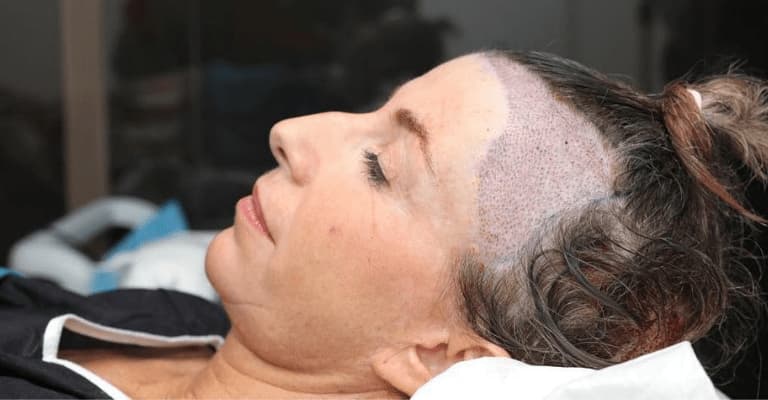
People usually think of hair loss as a problem for men, but in the UK, millions of women will have thin hair at some point in their lives. For many, it’s very upsetting and hurts their confidence, social life, and even their work. The good news is that advances in surgery have made hair restoration a real choice for women, and London has become a top spot for people looking for top-notch care. If you’re thinking about going this route, knowing how it works, who it’s best for, and what to look for will help you make a sure, well-informed choice.
How to Understand Hair Loss in Women
There are many reasons why women lose their hair, and the first thing that needs to be done is to figure out what is causing it. The most common type is female pattern hair loss, which usually shows up as a parting getting wider over time and hair getting thinner all over the crown and top of the head. The frontal hairline generally stays the same. Changes in hormones caused by pregnancy, menopause, or thyroid problems can all play a role. So can genes, stress, illness, and not getting enough nutrients.
Some women lose their hair because they wear their hair in tight styles like bands, weaves, or ponytails for a long time. This is called traction alopecia. Others get scarring conditions, scars from cosmetic surgery, or lose their hair after medical care. Because there are so many things that can cause thinning, you should always get a full medical checkup, which usually includes blood tests, before you decide to have surgery. Finding a doctor who takes diagnosis as seriously as the surgery itself is the first step in finding the best hair transplant London has to offer.
Are you a good candidate?
The truth is that not all women whose hair is falling out are good candidates for a transplant. Moving healthy, permanent hair follicles from a donor area, which is usually the back or sides of the head, to places where hair is thin is what the process is all about. In other words, you need enough donor hair that is not affected by the hormones that are making you lose your hair for the best hair transplant London.
There may not be enough stable hair to redistribute in women whose hair is thinned all over their head, including the donor area, so a transplant is not the best option. Women with isolated loss, a high or receding hairline, traction alopecia, or thinning at the parting, on the other hand, usually have great results. Stability is also important. Before operating, surgeons usually like it when your hair loss has stopped or is well under control, since continuing loss in areas that haven’t been fixed can make your overall look uneven over time.
How Hair Transplants for Women Are Done
Here are the two main methods used today. The first method, called follicular unit extraction, uses a fine tool to take out single follicles from the donor area one at a time. For the second method, called follicular unit transplantation, a thin piece of scalp is cut into separate grafts that are then implanted.
For women, the extraction method is often better because it doesn’t leave a straight scar but rather small, dispersed marks. This is better for women whose hair is short or pulled back. For many women, the fact that it can be done without shaving the whole head is a big plus. Surgeons can cut off a small piece of the donor area that can’t be seen so that the longer hair around it covers it fully. This means that a lot of women can go back to work and socialising with barely any obvious signs of surgery. When looking for the best hair transplant London has to offer, you should ask which technique is best for your type of hair loss and why.
What Takes Place on the Day
A local anaesthetic is usually used during a hair transplant, so you stay awake but comfortable the whole time. The procedure can last anywhere from four to eight hours, depending on how many grafts are needed. There will be breaks to eat and breathe. Surprisingly, a lot of women choose to listen to music or watch a movie while the team works.
Your doctor will first plan out where the new hair will go, paying close attention to the grafts’ direction, angle, and density to make sure the result looks completely natural. A skilled surgeon will take into account the fact that women’s hairlines are usually softer and more rounded than men’s, rather than using a standard template. After the donor follicles are taken out, the recipient sites are made and the grafts are carefully put one at a time. The doctor will usually give you clear instructions on how to take care of yourself afterward.
Get Well and See Results
Most of the time, recovery is easy, but you need to be patient. You might see some mild swelling, redness, and small sores around the treated areas in the first few days. Most women are fine going back to desk jobs in a few days, but your surgeon may tell you to stay out of the sun, do intense exercise, and swim for a couple of weeks.
Shedding is something that many patients find strange. The transplanted hairs usually fall out three to six weeks after surgery. This is a normal part of the cycle and doesn’t mean the surgery failed. Around three to four months, new hair starts to grow in. Over the next few months, the hair gets thicker and longer. Between twelve and eighteen months after surgery, you can usually see the full effects. The hair is expected to keep growing for life because the transplanted follicles come from places where hair loss is common. This will give the person a long-lasting boost in both confidence and density.
How to Pick the Right London Surgeon
The skill and honesty of the person treating you have a huge impact on the quality of the result. London has a lot of practitioners, so it’s important to do a lot of research. Look for a surgeon who has experience restoring hair to women, since women lose hair in very different ways and have very different physical goals than men. You should ask to see before and after pictures of other women who had hair loss that was similar to yours, and be wary of anyone who claims amazing or guaranteed results.
Make sure you have a face-to-face meeting with the surgeon where he or she can look at your head, talk about the reason for your hair loss, and be honest about what can and cannot be done. It should be easy to see who is doing the important parts of the process, and you should not feel rushed to ask questions. A trustworthy doctor will also talk about non-surgical choices and may suggest that you wait or try other methods first. The best hair transplant London has to offer is never a hasty choice, and you and your surgeon should always feel like a team.
Thinking About the Price
There are different prices for hair transplants in London based on the amount of grafts, the technique used, and the experience of the team doing the surgery. As a general rule, procedures for women are usually smaller than those for men because they are usually used to treat thinning hair instead of full baldness. It can be tempting to go with the cheapest quote, but hair restoration is permanent, and it can be hard and expensive to fix bad work. When choosing a place to get treatment, quality, safety, and a natural look should always be more important than price.
Last Thoughts
A transplant can be a truly life-changing step for women whose hair is falling out. It can restore not only density but also a sense of self. A correct diagnosis, reasonable goals, and a surgeon who really knows how to treat female hair loss are all important for success. Do your research, see more than one doctor if you need to, and pick one who will put your long-term health first. You will have the best chance of getting natural results that last and finding the best hair transplant London has to offer for your needs if you do these things.