
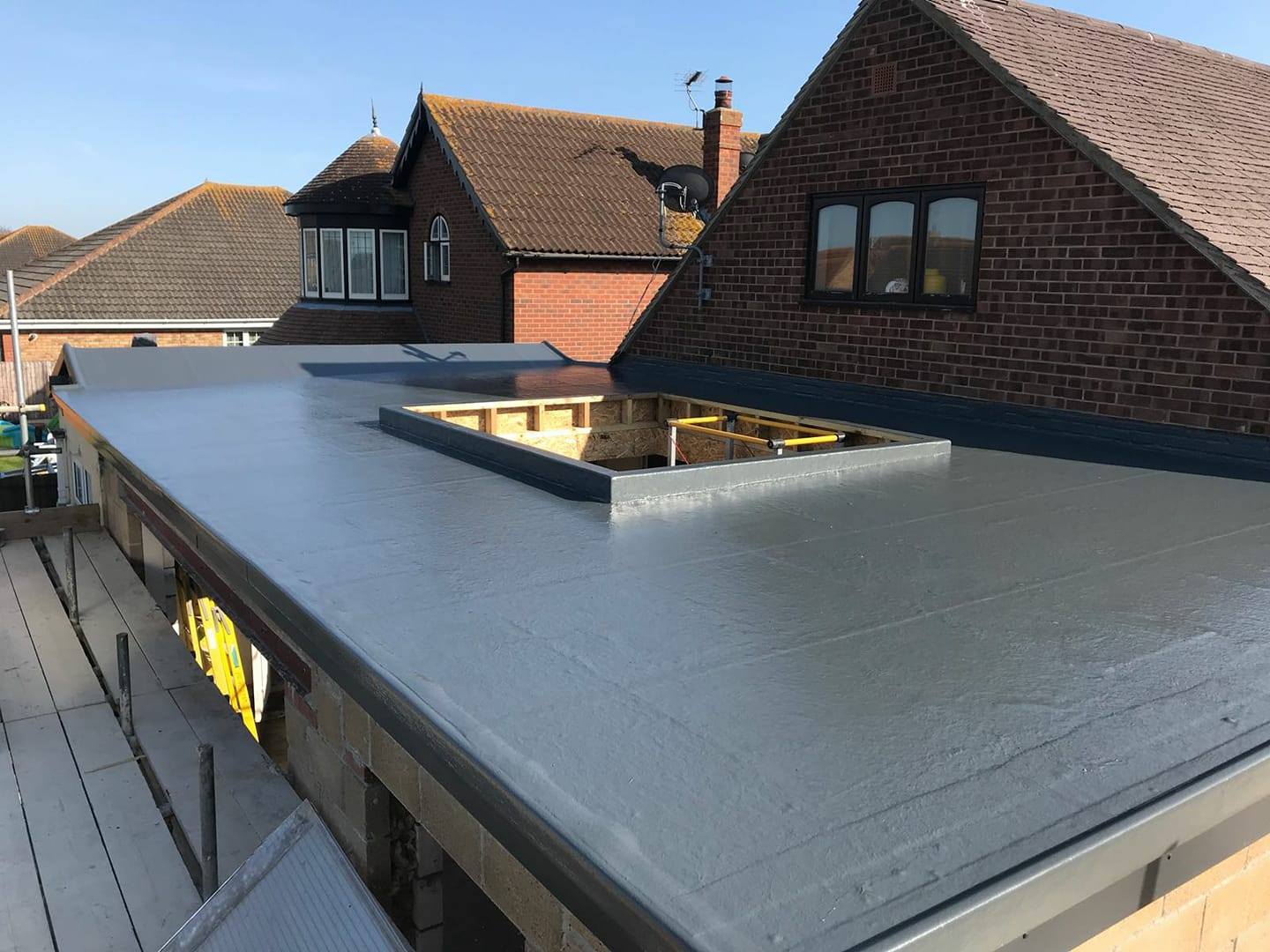
Regarding roofing solutions, fibreglass roofing is one of the most durable, adaptable, and progressively popular ones available for both domestic and business buildings. Fibreglass roofing is a great choice for both building owners and homeowners because of its durability, smooth appearance and resilience to the weather. We will explore the several facets of fibreglass roofing in this all-inclusive guide, including composition, installation technique, benefits, maintenance needs, and more.
The Nature of Fibreglass Roofing
Comprising numerous important components, fibreglass roofing, often known as GRP (glass reinforced plastic) roofing, is a composite material. A woven glass fibre mat, which gives the roofing system structural strength and reinforcement, makes up the main component. After that, a specialised resin—usually polyester resin—which serves as a binder forms a waterproof, protective coating on this mat.
Laying the glass fibre mat on the roof deck and soaking it with resin forms part of the installation. The resin is given a catalyst to start the curing process, therefore turning the liquid resin into a solid, robust substance. To provide the required thickness and strength, further layers of resin and mat might be laid on. At last, a topcoat is sprayed to provide the fibreglass roofing UV protection and improve its visual attractiveness.
The Fibreglass Roofing Installation Method
Fibreglass roofing installation calls both knowledge and accuracy to guarantee a good and long-lasting outcome. Usually, it is done by seasoned experts with the required knowledge and ability to manage the resources and carry out the operation successfully.
Getting the roof deck ready first guarantees that it is dry, clean, free of any damage or trash. At this point any required roof deck repairs or changes are done. The glass fibre mat is then positioned on the roof deck after a coating of resin is laid there. Carefully pushed into the resin, the mat guarantees total saturation and removes any air bubbles.
Resin and mat layers are then added, each carefully wet and rolled to provide an equal surface. The intended thickness and strength of the fibreglass roofing will determine the number of layers. A topcoat is sprayed on to guard the roof from UV light and improve its look once the last layer has hardened.
Benefits of a fibreglass roof.
A lot of benefits of fibreglass roofing help to explain its increasing appeal among building owners and homeowners. Among its main advantages are its great lifetime and durability. With appropriate maintenance, fibreglass roofing is known to survive decades—usually 25–30 years or even more. Because it reduces the need for regular repairs or replacements, this makes it a long-term reasonably affordable choice.
One other major benefit of fibreglass roofing is its flawless finish. Fibreglass roofing produces a seamless, waterproof surface unlike conventional roofing materials with joints or seams. This gives property owners piece of mind by removing the chance of leaks and water damage.
Additionally quite resistant to the weather is fibreglass roofing. Strong winds, snow, hail, and heavy rain are among the severe weather it can survive. It also resists UV light, therefore halting fade and degradation throughout time. Moreover, fibreglass roofing is fire-resistant, thereby providing the property even more protection.
Still another amazing benefit of fibreglass roofing is its adaptability. It may be used on flat, sloped, even intricate architectural designs as well as many roof forms and sizes. This versatility qualifies it for a broad spectrum of both home and business uses.
Fibreglass roofing maintenance and repair
Minimum maintenance is needed for fibreglass roofing to guarantee lifetime and best performance. It is advised to have regular inspections in order to spot any wear and tear or damage. Periodically cleaning the roof surface with water and a light detergent helps eliminate moss, grime, and trash, therefore averting any possible problems.
Should damage result, fibreglass roofing is quite simple to fix. Usually, a basic patch repair kit will cover small fractures or punctures. More severe damage might call for the help of a professional to guarantee correct repair and preserve the integrity of the roofing system.
Financial Considerations of Fibreglass Roofing
The size and intricacy of the roof, the number of layers needed, and the location of the property will all affect the cost of fibreglass roofing. Although fibreglass roofing may have a greater starting cost than certain conventional roofing materials, over time its low maintenance needs and extended lifetime help to save a lot of money.
To guarantee you are receiving the most value for your money and to compare quotations from several respectable contractors is crucial. When deciding, take into account the contractor’s experience and standing as well as the calibre of the materials they use.
Environmental Considerations of Fibreglass Roofing
Among various conventional roofing materials, fibreglass roofing is regarded as a somewhat environmentally friendly one. When its lifetime ends, it is recyclable, therefore lowering waste and environmental effect. Its lengthy lifetime also lessens the need for regular replacements, therefore promoting even more sustainability.
Finally
Among the many advantages of fibreglass roofing are durability, lifetime, flawless finish, weather resistance, adaptability, low maintenance needs. For property owners, this environmentally responsible and reasonably priced solution offers piece of mind.
Fibreglass roofing is definitely worth investigating whether you are looking at a new roof for your house or business. See seasoned experts to go over your particular requirements and find out if fibreglass roofing is the best fit for you. Fibreglass roofing may offer a durable, dependable, and visually beautiful roofing option for many years to come because to its remarkable performance and many benefits.