
The importance of finishing touches in the field of woodworking and furniture making cannot be emphasised. A critical component of this finishing procedure, edgebanding services improve the wood-based goods’ visual appeal, robustness, and use. This in-depth investigation explores the complex realm of edgebanding services, looking at their methods, uses, advantages, and revolutionary effect on the finished output.
Revealing the Core of Services for Edgebanding
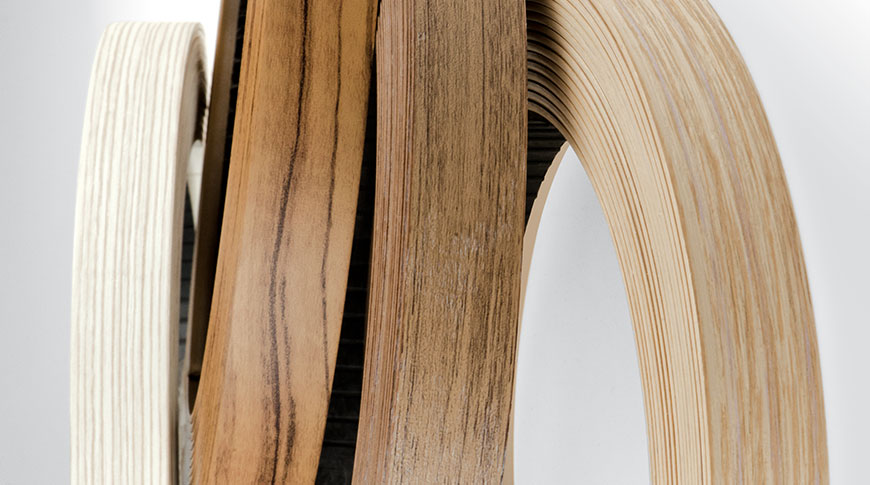
Applying a narrow strip of material, called edgebanding, to the exposed edges of wood-based panels is the process of edgebanding services. This procedure has both practical and decorative uses. Edgebanding serves the practical purpose of shielding the panel’s edges from moisture, impact, and wear and tear, increasing the panel’s lifetime and durability. Edgebanding is a finishing touch that visually increases the product’s attractiveness and compliments the overall design.
Applying edgebanding is a painstaking procedure that calls for expertise, equipment, and precision. Edge preparation, adhesive application, edgebanding application, trimming, and finishing are common procedures in edgebanding services. Every stage is essential to achieving a smooth and perfect finish that raises the product’s overall quality.
Various Tools and Materials for Edgebanding Services
Services for edgebanding use a variety of tools and materials to meet the various requirements of various projects. Many materials, such as PVC, ABS, melamine, wood veneer, and even metal, can be used to create edgebanding materials. Every material has distinct qualities, such flexibility, durability, and colour possibilities, which enable customisation to meet the project’s particular needs.
A variety of methods, such as hot air edgebanding, laser edgebanding, and PUR (polyurethane reactive) edgebanding, can be used to apply edgebanding. A common technique is hot air edgebanding, which is pushing the adhesive into the panel edge after it has been melted using hot air. A more sophisticated method called laser edgebanding uses a laser beam to melt the glue, producing a finish that is more accurate and cleaner. PUR edgebanding is frequently used in upscale furniture and cabinets because of its great bonding strength and moisture resistance.
The Revolutionary Effects of Edgebanding Services
The finished product is transformed by edgebanding services, which improve its usefulness, durability, and appearance. Edgebanding gives wood-based panels a smooth, sophisticated appearance that enhances the furniture’s or cabinetry’s overall attractiveness by disguising their bare edges. In addition to improving the product’s aesthetic appeal, edgebanding produces a smooth, flat surface that is simpler to clean and maintain.
Additionally, edgebanding greatly increases the longevity of panels made of wood. It shields the edges from moisture, which can lead to delamination, swelling, and warping. In addition, it serves as a shield against damage and impact, avoiding chipping, cracking, and splintering. Because of the increased protection, the product lasts longer and is therefore a better buy.
Edgebanding not only adds style and protection to wood-based items, but it also improves their usefulness. Edgebanding, for instance, may keep spills and crumbs out of the spaces between kitchen cabinet doors and frames, facilitating cleaning and preserving cleanliness. Edgebanding in office furniture can improve user comfort and productivity by offering a smooth, cosy surface for hands and arms to rest.
Uses for Edgebanding Services: Not Just for Furniture
Edgebanding services are used for more than just cabinets and furniture. The production of doors, windows, shelves, countertops, and other wood-based items also makes extensive use of edgebanding. Edgebanding is a technique used in the construction industry to polish the margins of structural panels, such plywood and orientated strand board (OSB), improving their look and guarding against moisture damage.
Edgebanding is utilised in the retail sector to make unique fixtures and displays that present merchandise in an eye-catching and polished way. Because of its adaptability, edgebanding may be used to create displays that are distinctive and visually appealing, improving the shopping experience.
Edgebanding Services’ Future: Embracing Innovation
With new materials and technologies that are continuously pushing the envelope of what is possible, the world of edgebanding services is always changing. Using recycled materials in edgebanding is one of the most intriguing advances. This not only lessens edgebanding’s negative environmental effects but also opens up new design options with distinctive textures and patterns.
Using digital printing technologies to produce unique edgebanding designs is another trend. This makes it possible for businesses to develop goods that are distinctive and set them apart from the competition thanks to unmatched inventiveness and personalisation.
Furthermore, as automation and robotics are included into edgebanding procedures, prices are being decreased and efficiency and precision are rising. This is especially helpful for large-scale production processes where uniformity and speed are essential.
To sum up, edgebanding services are essential to the woodworking and furniture manufacturing sectors because they improve the look, feel, and performance of wood-based goods. Numerous materials, methods, and applications are at one’s disposal, enabling customisation to match the unique requirements of various projects. The future of edgebanding services is bright, with new developments set to significantly improve the calibre and effectiveness of this crucial finishing touch as technology develops.