

Garage conversions have become a popular technique to increase useable space in a home without requiring a full-scale expansion. Transforming an underutilised garage into a usable living space may add great value to a home while also satisfying the changing demands of homeowners. To have a good end, garage conversions must be carefully planned and address a number of essential elements. In this post, we’ll look at the numerous factors to consider while planning a garage conversion.
The planned use of the new area is an important factor to consider when converting a garage. Homeowners must decide what use the converted garage will serve, such as an extra bedroom, a home office, a gym, or a family area. Each of these applications will have unique design, layout, and amenity needs. For example, turning a garage into a bedroom will require insulation, heating, and ventilation to make a pleasant living environment. On the other hand, a home office may need more power outlets and internet access. Clearly outlining the aim of the conversion will guide all future decisions and guarantee that the finished area satisfies the homeowner’s requirements.
Another important consideration in garage conversions is adherence to local construction laws and regulations. Before beginning the project, speak with local authorities to understand the zoning rules and construction codes that apply to garage conversions. These rules might vary greatly based on area, and may include permit requirements, minimum ceiling heights, fire safety precautions, and energy efficiency standards. Failure to comply with these standards can result in significant fines and may even involve reversing previously done work. To guarantee that the project meets all legal standards, it is best to use a professional architect or contractor who is knowledgeable with local building codes.
Another important consideration is the current garage’s structural stability. Garages are often built to lower standards than the rest of a home’s living spaces, with less insulation, flooring, and wall finishes. To decide what improvements are required, assess the existing condition of the garage’s foundation, walls, roof, and floor. For example, if the garage floor is lower than the rest of the home, it may need to be elevated and insulated. To achieve a living space’s comfort and energy efficiency criteria, the walls and roof may also require extra insulation. Addressing these structural challenges is critical to ensuring a safe and comfortable atmosphere in the converted garage.
Insulation and heating are critical factors for garage conversions. Garages are frequently uninsulated or inadequately insulated, rendering them unsuitable for use as dwelling areas unless significantly upgraded. Proper insulation is vital for temperature regulation, preventing heat loss in the winter and keeping the area cool in the summer. This may be accomplished by insulating the garage’s walls, ceiling, and floor. Additionally, heating systems must be extended or added to guarantee that the increased living area is suitably heated. Depending on the temperature and intended usage of the area, this might entail expanding the home’s current HVAC system, installing electric heaters, or utilising underfloor heating.
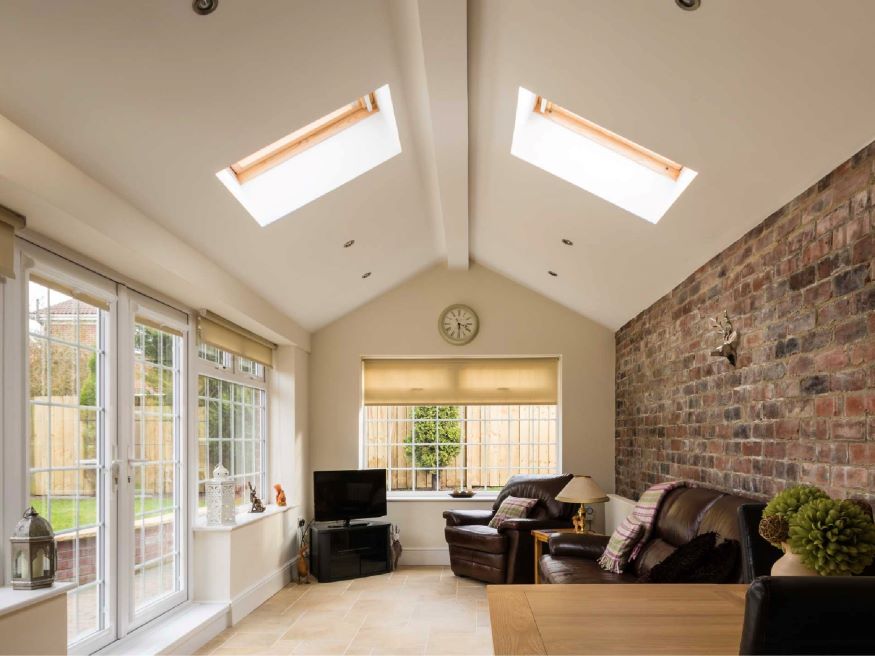
Lighting and ventilation are other key considerations in garage conversions. Garages often have limited natural light and ventilation, making them seem gloomy and stuffy. Adding windows and skylights may considerably improve the natural lighting and ventilation in the converted room, making it more welcoming and pleasant. The placement and size of these apertures should be carefully considered to maximise light and air movement while retaining privacy and security. Furthermore, using artificial lighting options like recessed lighting, pendant lights, and task lighting will keep the room well-lit and functioning at all times.
Plumbing and electrical systems are commonly ignored when planning a garage conversion. Depending on the anticipated use of the room, further plumbing and electrical work may be necessary. For example, transforming a garage into a bathroom, kitchen or laundry room will require the installation of plumbing lines and drainage systems. Similarly, building a home office or entertainment area may need updating the electrical system to accommodate more outlets, lighting fixtures, and electronic gadgets. It is critical to collaborate with skilled specialists to design and install these systems in a safe and efficient manner, ensuring compliance with all applicable laws and standards.
The materials and finishes used in garage conversions have a considerable impact on their overall performance. Choosing high-quality materials that are both durable and visually beautiful can improve the functioning and look of the renovated area. Flooring alternatives such as hardwood, laminate, and tile should be selected depending on the space’s intended function and desired appearance. Wall finishes like plasterboard, panelling or plaster should be used to create a unified and appealing decor. Additionally, including storage options such as built-in shelves, cabinets, and closets can maximise the space’s utility while also keeping it organised and clutter-free.
Soundproofing is also a vital issue, especially if the converted garage will be utilised as a bedroom, home office, or entertainment space. Garages are frequently found on busy streets or close to loud areas of the home, such as kitchens or living rooms. Soundproofing components such as acoustic panels, insulation, and double-glazed windows can assist limit noise transmission and provide a more peaceful, pleasant environment. This is especially crucial for maintaining privacy and minimising interruptions in areas designated for rest or work.
The outside look of the converted garage should also be examined to ensure that it complements the rest of the property. This might include matching the new windows and doors to the current design of the house, installing siding or cladding that compliments the façade, and landscaping the surrounding area to create a unified effect. Paying attention to these elements ensures that the conversion improves the property’s overall curb appeal and value.
Financing is an important consideration when considering a garage conversion. Homeowners should carefully assess the project’s expenses, which include materials, labour, permits, and any necessary changes to the plumbing, electrical, and HVAC systems. It is best to collect thorough quotations from contractors and build a complete budget that covers all probable charges. Furthermore, looking into financing alternatives such as home renovation loans or refinancing will help you manage the project’s finances and stay on budget.
Sustainability and energy efficiency are becoming more essential factors for garage conversions. Using eco-friendly materials and energy-efficient technology can help to lessen the project’s environmental effect while also lowering ongoing utility expenses. This might involve utilising recycled or locally produced materials, installing energy-efficient windows and doors, incorporating renewable energy sources like solar panels, and utilising water-saving fixtures and appliances. These sustainable measures not only help the environment, but they may also increase the value and appeal of the transformed space.
Finally, evaluate the long-term consequences and prospective resale value of garage conversions. While the primary objective is to make the space usable and pleasurable for the existing homeowners, it is equally crucial to consider how future buyers would regard the conversion. A well-executed renovation that increases useful living space while also improving the property’s overall attractiveness can greatly raise its market value. However, it is important to guarantee that the conversion is completed to a high degree and in accordance with the tastes and expectations of prospective purchasers in the local real estate market.
Finally, garage conversions provide an excellent chance to increase and improve a home’s living area. Homeowners can successfully transform their garage into a functional and attractive space by carefully considering factors such as the intended use, building code compliance, structural integrity, insulation, lighting, plumbing, materials, soundproofing, exterior appearance, financing, sustainability, and long-term value. Thoughtful design and attention to detail will guarantee that the converted garage satisfies the demands of the family while adding substantial value to the home. Garage conversions, whether used to create an extra bedroom, home office, gym, or family area, may be a versatile and cost-effective response to the changing needs of modern life.