
In the search for a more sustainable future, energy-saving light bulbs have emerged as a beacon of hope. These lighting solutions not only save energy, but also provide numerous environmental and financial benefits. Among the most noteworthy alternatives in this category is the fluorescent tube, which has been a fixture in homes, businesses, and industrial settings for decades. As we strive for a greener future, this essay delves into the benefits, varieties, and implications of energy-saving light bulbs, with a particular emphasis on fluorescent tubes.
The Value of Energy Efficiency in Lighting
Lighting accounts for a major amount of global electricity use, making it an ideal target for energy-saving initiatives. Traditional incandescent bulbs are notoriously inefficient, converting only approximately 10% of the energy they consume into visible light and releasing the rest as heat. In contrast, energy-saving light bulbs, such as a fluorescent tube, are intended to increase light output while minimising energy waste. This efficiency translates to lower electricity bills and a less carbon imprint.
Types of Energy-Saving Lightbulbs
There are several types of energy-saving light bulbs, each with its own set of benefits and applications. There are three major categories:
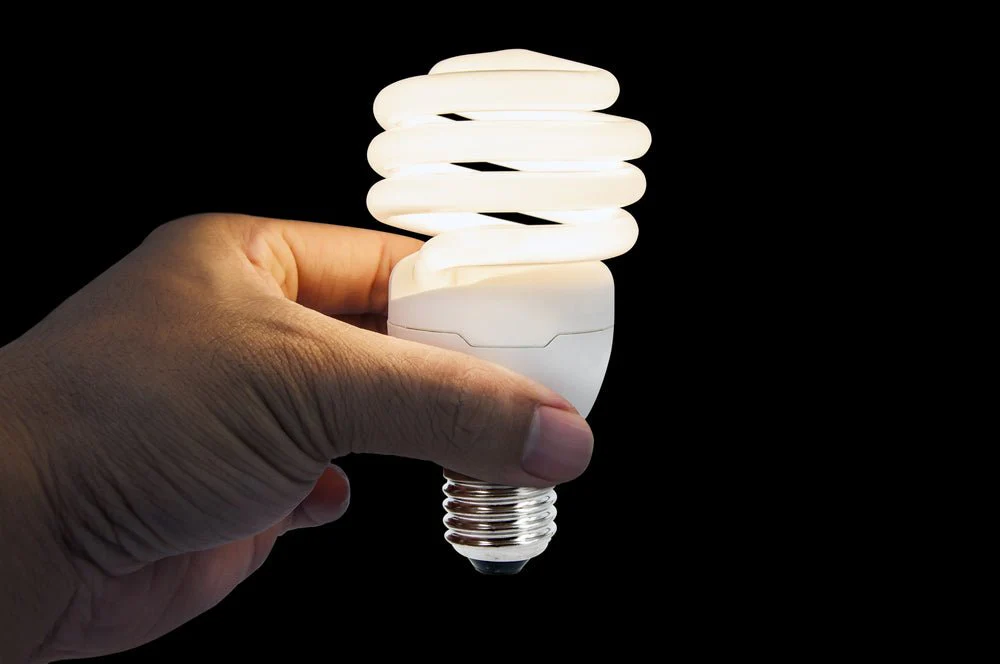
Compact Fluorescent Lamps (CFLs) are compact, coiled fluorescent tubes that fit into ordinary light fixtures. CFLs require much less energy than incandescent bulbs and have a longer lifespan.
Light emitting diodes (LEDs): LEDs, which are known for their durability and energy economy, have grown in popularity as a lighting option for both homes and businesses. They use less energy than CFLs and have a significantly longer lifespan.
Fluorescent tubes remain a reliable solution for large environments that require steady and powerful lighting. They are especially widespread in offices, warehouses, and schools, providing a superb blend of energy efficiency and cost-effectiveness.
Fluorescent Tubes: A Closer Look
Fluorescent tubes are some of the most efficient lighting choices available. These tubes work by directing an electrical current through mercury vapour, which produces UV light. The UV light then stimulates a phosphor coating inside the tube, resulting in visible light. While fluorescent tubes have been around for decades, contemporary improvements have increased their energy efficiency and environmental friendliness.
Benefits of Fluorescent Tubes
Energy Efficiency: Fluorescent tubes consume up to 75% less energy than incandescent bulbs, making them an excellent alternative for large-scale illumination.
Long Lifespan: A standard fluorescent tube can last up to ten times longer than an incandescent bulb, lowering the number of replacements and associated costs.
Consistent Light Output: These tubes produce uniform lighting, making them perfect for applications requiring consistent illumination.
Reduced Heat Emission: Unlike incandescent bulbs, fluorescent tubes emit very little heat, making the surroundings more comfortable, particularly in hotter areas.
Cost-effective: While fluorescent tubes are initially more expensive than ordinary bulbs, their energy savings and longevity result in significant long-term savings.
Environmental considerations.
While fluorescent tubes are more energy efficient than traditional lighting, they have certain negative environmental consequences. To avoid contamination, the mercury content of these tubes must be disposed of with caution. Recycling programs and specialised disposal facilities are critical to addressing this issue. Furthermore, technological improvements are constantly lowering fluorescent tubes’ environmental impact, making them a more sustainable option.
Comparing Fluorescent Tubes and LEDs
As LEDs gain popularity, it is critical to compare them to fluorescent tubes to find the optimum lighting solution for a certain application. LEDs outperform fluorescent tubes in terms of energy efficiency and longevity. However, fluorescent tubes remain a cost-effective solution for large-scale applications when initial investment costs are an issue. Both alternatives are much more energy efficient and have a lower environmental impact than incandescent lights.
Choosing the Right Energy-Saving Lightbulb
When choosing energy-efficient light bulbs, various criteria should be considered:
Application: Determine the purpose and location of the illumination. Fluorescent tubes are best for large rooms, although LEDs may be better suited for task lighting or decorative applications.
Energy Efficiency: Look for bulbs with a high lumen-to-watt ratio, which indicates higher energy efficiency.
Lifespan: Consider the bulb’s longevity to reduce replacement costs and environmental impact.
Environmental Impact: Choose bulbs with low hazardous material content and ensure proper disposal or recycling.
Cost: Consider the initial investment against the long-term savings in energy and maintenance.
Tips to Maximise Energy Savings
Using energy-efficient light bulbs is only the first step towards lowering energy use. Additional steps can increase savings:
Switch Off Unused Lights: To save electricity, turn off lights in empty rooms.
Use Natural Light: To maximise daylight, keep windows clean and use reflective surfaces to diffuse light.
Install Motion Sensors: In areas with seldom use, motion sensors can automatically turn lights on and off.
Regular maintenance includes cleaning light fixtures and replacing worn-out fluorescent tubes to ensure maximum efficiency.
Replace obsolete lighting systems with new, energy-saving solutions like LEDs or sophisticated fluorescent tubes.
The Future of Energy Efficient Lighting
As technology advances, the future of energy-efficient lighting appears hopeful. LED technological advancements are pushing the envelope of efficiency and versatility, while improvements in fluorescent tube design address environmental issues. Governments and groups around the world are also encouraging energy-saving programs, offering incentives for individuals and businesses to use sustainable lighting systems.
Conclusion
Energy-efficient light bulbs are an important part of our road to a more sustainable future. Fluorescent tubes, in particular, have helped to reduce energy usage in a variety of areas. Understanding the pros and considerations of different lighting solutions enables us to make informed decisions that benefit both our wallets and the environment. Whether you choose fluorescent tubes, LEDs, or other energy-efficient alternatives, the benefits of converting to sustainable lighting are apparent. Together, we can create a brighter, greener future.