

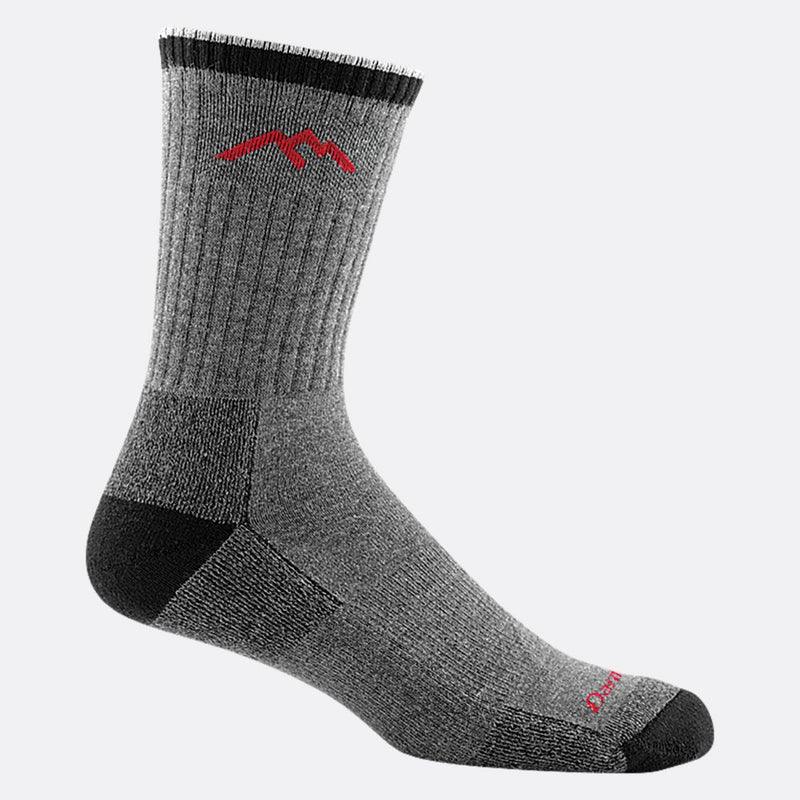
Every hiker is aware that having the appropriate shoes is essential to a fun and successful trip. However, the critical function hiking socks play in overall comfort and performance is frequently disregarded. A painful limp back to the car or an expedition free of blisters can be determined by the quality of your hiking socks. Experienced hikers will tell you that paying attention to the features and quality of your hiking socks is an investment in your well-being on the path, even though it might seem like a minor detail.
Selecting the Proper Material:
The material is the first, and possibly most crucial, consideration when buying hiking socks. Selecting the best material relies on your priorities because different materials offer distinct benefits and drawbacks.
Wool and merino wool are examples of natural fibres that are well known for their ability to wick away moisture and breathe. Wool is perfect for multi-day excursions since it naturally resists odours. Synthetic textiles like polyester and nylon are great options for people looking for something lightweight and quick-drying. To get the best of both worlds, some hiking socks combine synthetic and natural fibres.
Comprehending Fit and Construction
It’s critical that hiking socks fit properly. In order to provide a stable fit without bunching or sliding down during intense activity, they should be snug but not restrictive. To avoid blisters, look for socks with strengthened toe and heel seams. Additional comfort and protection are provided by construction elements including seamless toes and padding.
Efficient Cushioning
For impact absorption and foot strain reduction, hiking socks with sufficient cushioning are crucial. Depending on your preferences and the type of terrain you’ll be traversing, different amounts of cushioning are needed. Choose hiking socks with more cushioning in strategic places, such as the heel and ball of the foot, for rocky routes or long hikes.
Breathability and Control of Moisture:
Even when your feet are exerting themselves, breathability is essential to keeping them dry and cool. Blisters are prevalent because trail footwear retains heat and moisture. Hiking socks that wick away sweat will keep your feet from getting damp and uncomfortable.
Think about the terrain and climate:
Choosing the appropriate hiking socks depends largely on the conditions you’ll be hiking in. Select lightweight, moisture-wicking hiking socks composed of breathable materials for warmer climates. Choose thicker hiking socks with thermal insulation qualities when the weather gets colder.
Make an investment in durability:
Choosing a sturdy pair of hiking socks is crucial because they frequently face harsh conditions. To resist tearing and abrasion, look for socks with reinforced stitching and sturdy fibres.
Don’t Forget to Wash:
The longevity of your hiking socks depends on proper care. Wash your hiking socks well with a mild detergent after every hike. Fabric softener might lessen the sock’s ability to wick away moisture, so stay away from it. Before putting your hiking socks away, let them air dry fully.
You may select the best hiking socks to keep your feet safe and comfy on your next excursion by carefully weighing these aspects. Your feet will appreciate this frequently disregarded piece of hiking equipment, so don’t undervalue its significance.